Beginning Again at 63: What Bowhunting Is Teaching Me
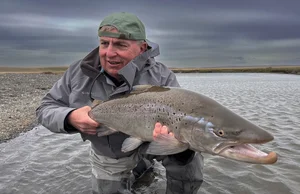
I’ve spent much of my life outdoors. I’ve guided anglers, traveled to wild places, and spent more seasons than I can count preparing for the next hunt. After a while, you learn what to pack, how to read the weather, and when to slow down and pay attention.
You also get used to knowing what you’re doing.
This year, at 63, I decided to give that up for a while. I put down the crossbow and began learning to shoot a compound bow.
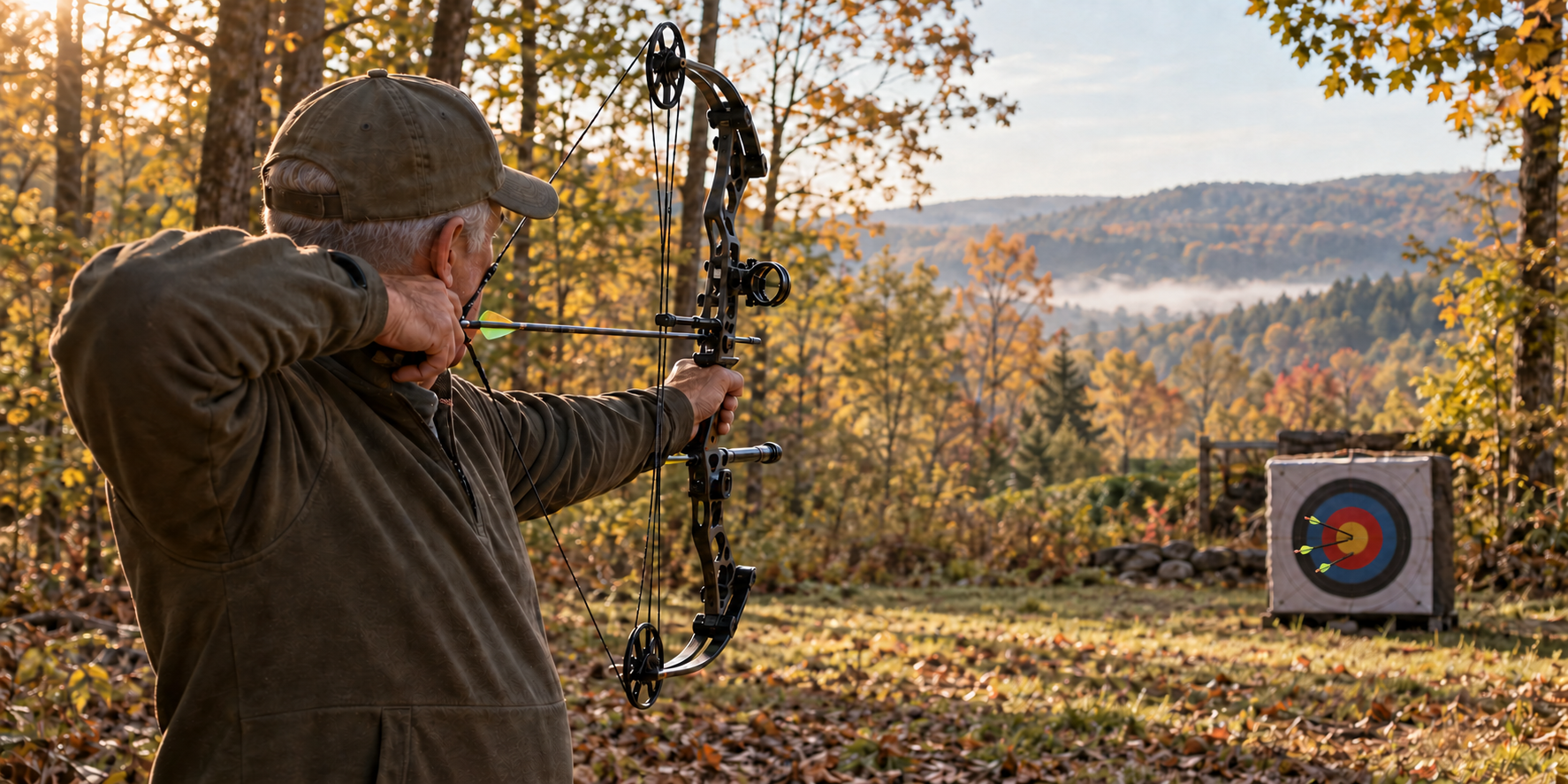
I had used a crossbow before, so I wasn’t coming to bowhunting without an understanding of the responsibility involved. But shooting a compound is a different experience. Drawing the bow, finding my anchor point, settling the pin, holding steady, and making a clean release all depend on what I do in that moment. When the arrow lands somewhere I didn’t intend, I have to figure out why.
My bow is set at a 65-pound draw. I can handle it, but the first few practice sessions showed me how much work goes into doing the same thing well, shot after shot. I might make one shot that feels smooth and natural, then struggle to repeat it on the next arrow.
It’s humbling. It’s also a lot of fun.
I’ve found myself paying attention to details I barely knew existed a few months ago. Is my grip relaxed? Am I reaching the same anchor point? Did I rush the release? Sometimes I think I’ve made a good shot, only to walk down to the target and find the arrow somewhere else. Other times, the shot feels right from the moment I draw.
I’m learning to recognize the difference without getting too caught up in any single arrow. A good shot gives me something to remember. A poor one gives me something to work on. Then I nock another arrow and try to put what I’ve learned to use.
Fortunately, I haven’t had to figure it all out on my own. My friend Burky has been a great teacher and mentor through this whole process. I’ve asked him a lot of questions. I’m sure there are days when he sees my name pop up and wonders what this rookie needs now. But he always takes the time to answer me. He shows me patience and understanding, even when I’m asking about something he probably learned years ago.
That means a great deal to me. I’ve spent plenty of time helping other people learn their way around a river. Now I’m the one asking basic questions and trying to remember everything I was told. Burky has made it easier to enjoy that part of the journey.
I’ve found help in other places, too. On my way home from a bow fest, I stopped at an archery shop where someone took the time to look over my bow and give me a few tips on sighting it in. When you’re learning, a small correction from someone with experience can save you a lot of frustration.
All of this reminds me of learning to fly fish. I can still remember when making a decent cast took every bit of my concentration. Later came reading water, choosing a fly, and trying to present it well enough to fool a trout. Just when I thought I had something figured out, the fish usually reminded me there was more to learn.
The same thing happened when I began guiding. Knowing how to catch a fish myself was one thing. Helping someone else learn to do it was another. I had to listen, watch closely, and remember what it felt like when a cast or a presentation didn’t come easily. Being a beginner again is bringing those memories back.
That’s part of what has kept me interested in the outdoors for so long. There is always another skill to build and another reason to go back out. Experience helps, but it never means you’re finished learning.
Practicing with the compound bow has brought that feeling back in a powerful way. I look forward to picking it up. Some days I’m pleased with my progress. Other days I walk down to the target, study my arrows, and start again. Either way, I want to shoot another round.
I’m also thinking carefully about what it will mean to take this bow hunting. There’s a difference between putting arrows into a target and being ready to take a shot at an animal. I want to be comfortable with the draw and confident in my accuracy before that moment comes. The only way to earn that confidence is through practice.
Bowhunting asks for patience long before you ever step into the woods. It asks you to prepare when nobody is watching, to know what you can do, and to be honest about what you can’t do yet. I respect that. It’s one of the reasons I wanted to make this change.
For now, I’m enjoying the work. I’m enjoying the questions and those occasional shots when everything comes together. I’m even enjoying the misses, once I get over being annoyed with myself. They keep me honest.
At 63, it would be easy to stay with what I already know. I’m glad I chose to learn something new. Moving from a crossbow to a compound bow has given me more than a new way to hunt. It has given me a reason to step outside with a goal, pay close attention, and see what I can do a little better today than I did yesterday.
I don’t know yet what this season will bring. I hope I’ll eventually carry the compound bow into the woods feeling ready for the opportunity I’ve practiced for. Whatever happens, I’m grateful for what learning to shoot it has already given me: a fresh challenge, the generosity of a good friend, and the excitement of seeing how far I can take it.
Becoming a beginner again at 63 has renewed my passion for the outdoors. And right now, that feels like a fine reason to keep drawing the bow.