The False Albacore Countdown
One of the many times of year I look forward to is the arrival of false albacore season.
Every sportsman has certain moments on the calendar that seem to pull us outside. For some, it's the first gobble of spring echoing through the hardwoods. For others, it's a crisp October morning behind a bird dog, a Hendrickson hatch on a Pennsylvania limestone stream, or the first cool evening that hints autumn is just around the corner.
For me, late summer brings another tradition that I eagerly anticipate.
As August begins to fade into September, I find myself paying closer attention to weather forecasts, water temperatures, tide charts, and bait reports. Long before the first fish crashes through a school of bay anchovies on the surface, the preparation has already begun.
Because false albacore season isn't just another fishing trip.
It's a tradition.
It's the unofficial beginning of one of my favorite stretches of the sporting year.
The Countdown Begins
There comes a point every August when the conversations begin to change.
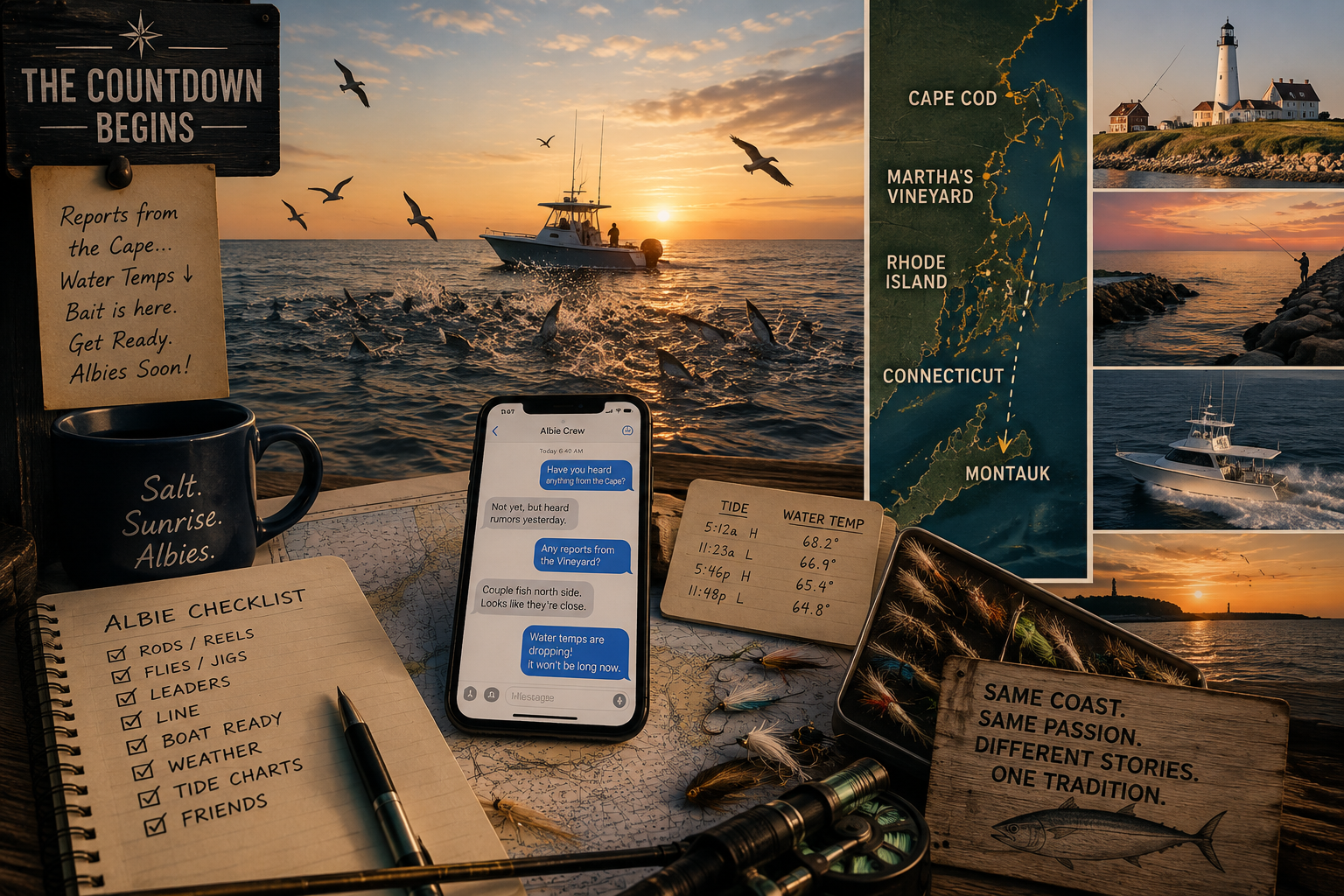
Friends start texting.
"Have you heard anything from the Cape?"
"Any reports from the Vineyard?"
"Water temperatures are dropping."
The first whispers of albies showing up somewhere off Cape Cod quickly spread through the Northeast. Every day after that, anglers begin watching the migration unfold as schools work their way down the coast toward Rhode Island, Connecticut, and eventually the legendary waters surrounding Montauk, New York.
For those of us who wait all year for this fish, the countdown has officially begun.
The Annual Ritual
Preparation has always been one of my favorite parts of the sporting life.
Whether it's sharpening broadheads before deer season, organizing fly boxes before a trip to Patagonia, or cleaning shotguns ahead of grouse season, getting ready is part of the experience.
False albacore are no different.
Every August the gear comes out.
Fly lines are stretched and cleaned.
Reels are stripped down, serviced, and loaded with fresh backing if needed. Drags are checked. Knots are retied. Leaders are replaced. Fly boxes are opened, reorganized, and somehow always seem to need just a few more Surf Candies, Epoxy Anchovies, Mushmouths, and small baitfish patterns.
Then comes the spinning gear.
Light inshore rods receive fresh braided line. Fluorocarbon leaders are tied. Casting jigs, epoxy minnows, soft plastics, and small metals all find their place inside the tackle bag.
But the preparation doesn't stop with rods and reels.
Up and down the East Coast, boats are getting the same attention. Engines are serviced, electronics are tested, trailers are inspected, and every compartment is restocked with tackle, leaders, tools, and safety gear. Hulls are washed, fuel tanks are topped off, and captains begin watching the weather and tide charts a little more closely. Everyone knows that when the first schools of false albacore arrive, there won't be time to get ready—you need to be ready.
I've always enjoyed both fly fishing and conventional tackle, and false albacore are one of those species that remind me why there should never be a divide between the two. Some days they're perfectly set up for the fly rod. Other days a long cast with spinning gear is simply the better tool for the conditions.
I've never believed one style of fishing makes someone a better sportsman than another.
Fly rods.
Spinning rods.
Baitcasters.
They're all simply tools that allow us to enjoy the resource we love.
Use what makes you happy.
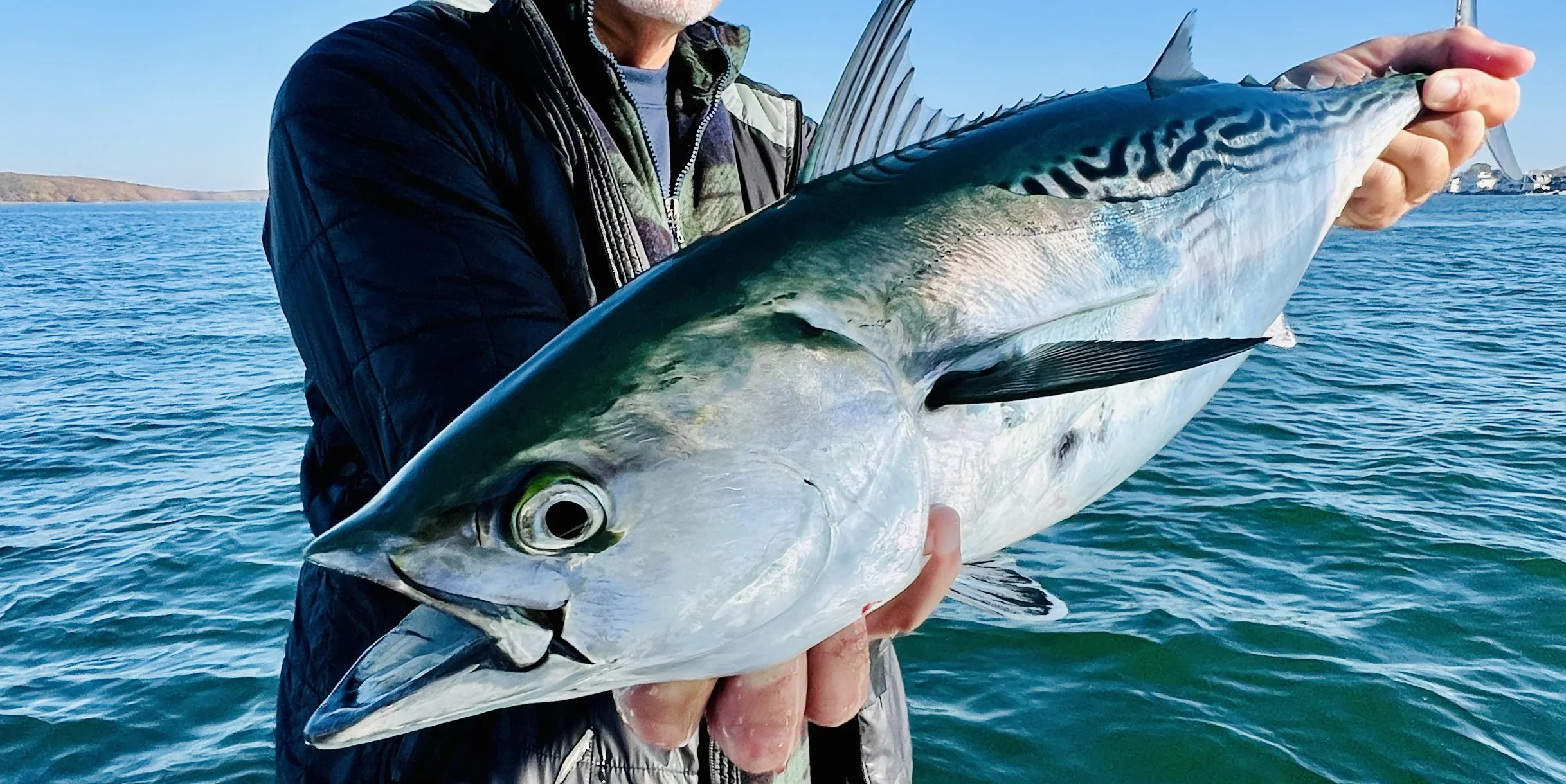
Photo by Anthony Loganzo
The East Coast Chase
One of the things I love most about false albacore season is that every stop along the East Coast has its own personality.
Cape Cod is often where the excitement begins. Expansive beaches, tidal flats, rocky points, and rips become gathering places for anglers eager to intercept the first waves of the migration. Every outing feels like a treasure hunt. Albies can appear without warning, feed for only seconds, and disappear just as quickly.
Rhode Island offers rocky shorelines, breachways, and current-swept points where birds hovering over nervous baitfish often reveal the action before you ever see the fish.
Along Connecticut's shoreline, tidal rivers, harbors, and open beaches can all produce unforgettable days when conditions align.
Then there's Montauk.
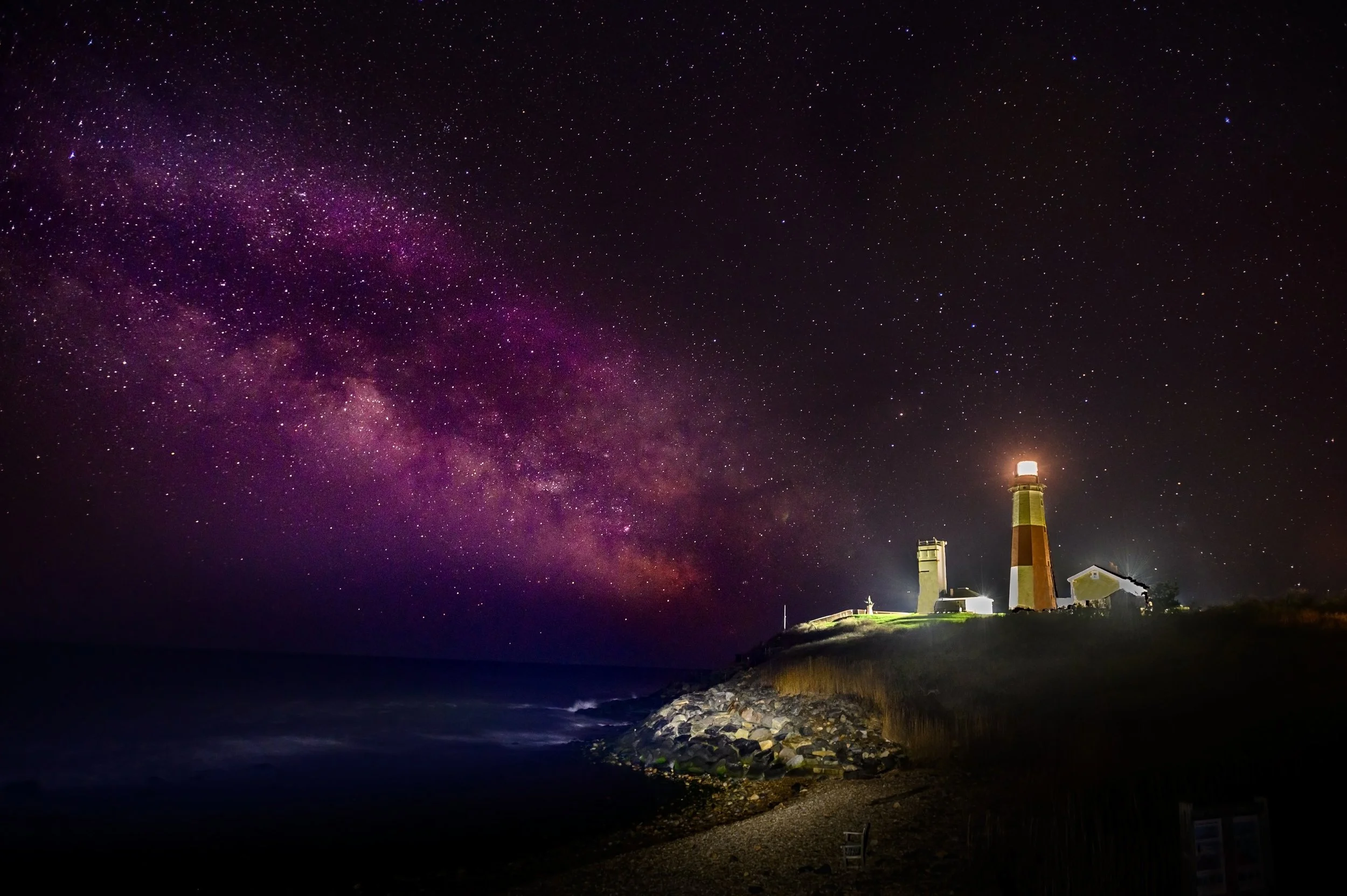
Few places have earned the reputation Montauk has among saltwater anglers. The combination of rips, rocky points, strong tides, and enormous concentrations of bait create some of the most exciting false albacore fishing found anywhere on the East Coast.
Every destination has its own rhythm.
Every tide tells a different story.
Every day on the water feels like starting over.
Why They Fascinate Us
False albacore aren't the biggest fish in the ocean.
They aren't the rarest.
But few fish can match their combination of speed, power, eyesight, and unpredictability.
One moment the ocean appears perfectly calm.
The next, dozens of fish explode through a school of bay anchovies, spraying bait in every direction while terns dive overhead.
You have only seconds.
Make the cast.
Strip fast.
Faster.
Then everything comes tight.
The reel erupts.
Backing disappears.
The fish changes direction three different times before you've even had a chance to think.
It's complete chaos.
And it's absolutely addictive.
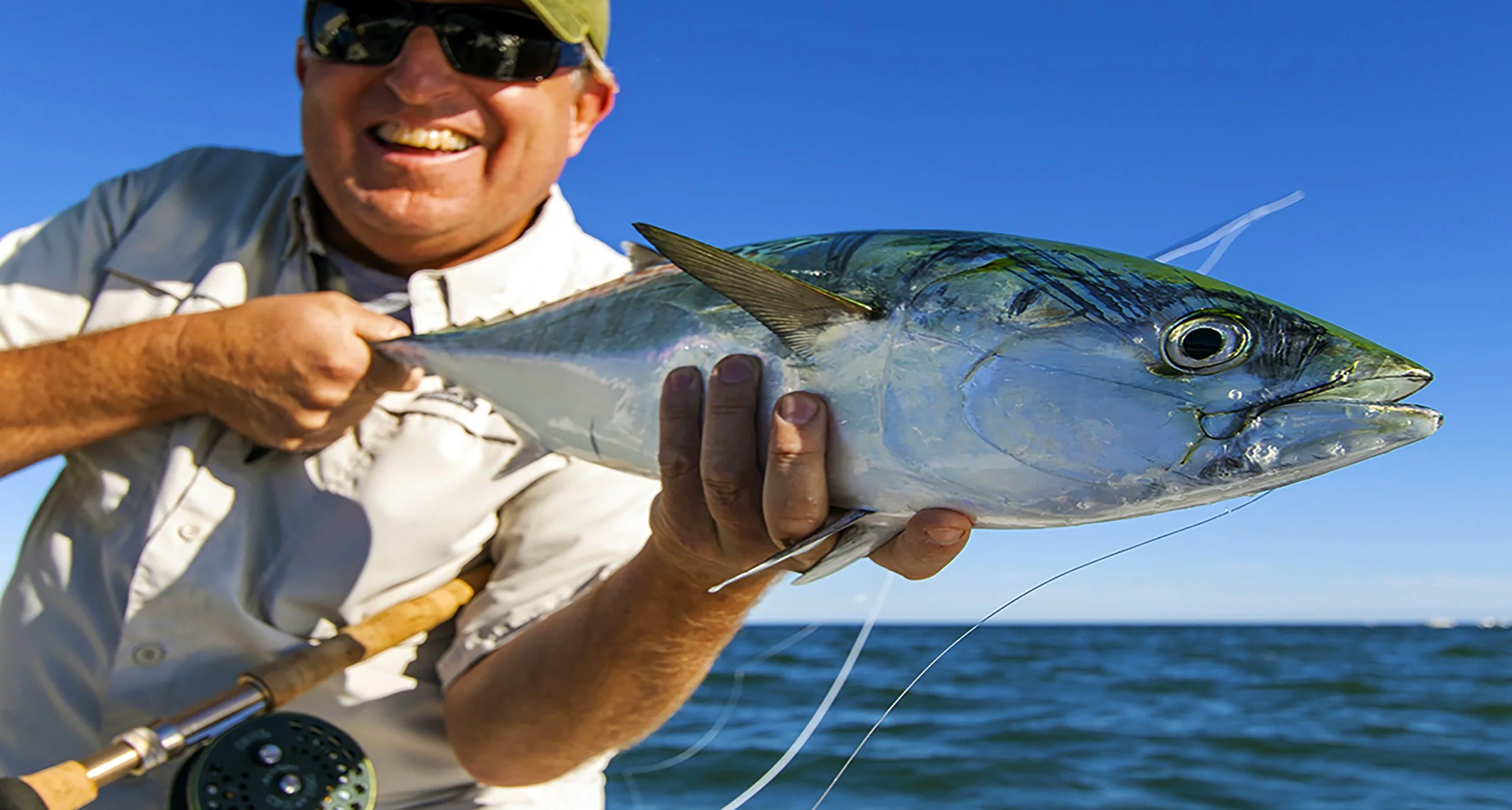
Photo by Jim Levison
More Than Just the Fish
As much as I love catching false albacore, what keeps drawing me back is everything that surrounds the experience.
Leaving home long before daylight.
Watching the sun climb over the Atlantic.
The smell of salt carried on a cool September breeze.
The anticipation as you scan the horizon for working birds.
Friends gathered around the dock with coffee in hand before launching the boat.
Talking with complete strangers who instantly become friends simply because you're all chasing the same fish.
Watching a pod of fish suddenly erupt on the surface and hearing someone yell, "There they are!"
These are the moments that stay with me.
The Beginning of Autumn
For me, false albacore season marks the beginning of one of my favorite stretches of the sporting calendar.
Soon the mornings grow cooler.
Bird dogs become restless.
Shotguns come out of the safe.
The first flights of migrating birds begin to appear.
Fly boxes for trout are reorganized.
Travel plans begin taking shape.
One season quietly hands the baton to the next.
False albacore simply happen to be the bridge between summer and everything that follows.
Why I'll Always Look Forward to It
Soon enough, the reports will start showing up.
"Fish off Chatham."
"They're at the breachway."
"Montauk is on fire."
Phones will buzz.
Friends will call.
The truck will already be packed.
Whether I'm standing on a Cape Cod flat with a fly rod in my hand, firing a small epoxy fly into a crashing school, or making a long cast with spinning gear from the rocks of Montauk, I know exactly why I keep coming back.
It isn't simply because false albacore are among the hardest-fighting fish that swim.
It's because this season represents everything I love about the sporting life.
Preparation.
Anticipation.
Road trips.
Friendships.
Beautiful coastlines.
Sunrises over the Atlantic.
The excitement of never knowing when the next school will erupt on the surface.
Every season has its traditions.
This is one of the many I look forward to every single year.
And before long, the leaves will begin to turn, bird dogs will be charging through cover, and another chapter of the sporting year will be underway.
But for a few unforgettable weeks, my attention is fixed on the salt, the birds overhead, and that unmistakable flash of green-backed speed racing across the surface.
That's false albacore season.
And I wouldn't have it any other way.
— Ray Miller
The Wandering Sportsman
Where the Journey Matters as Much as the Catch, the Flush, or the Harvest.
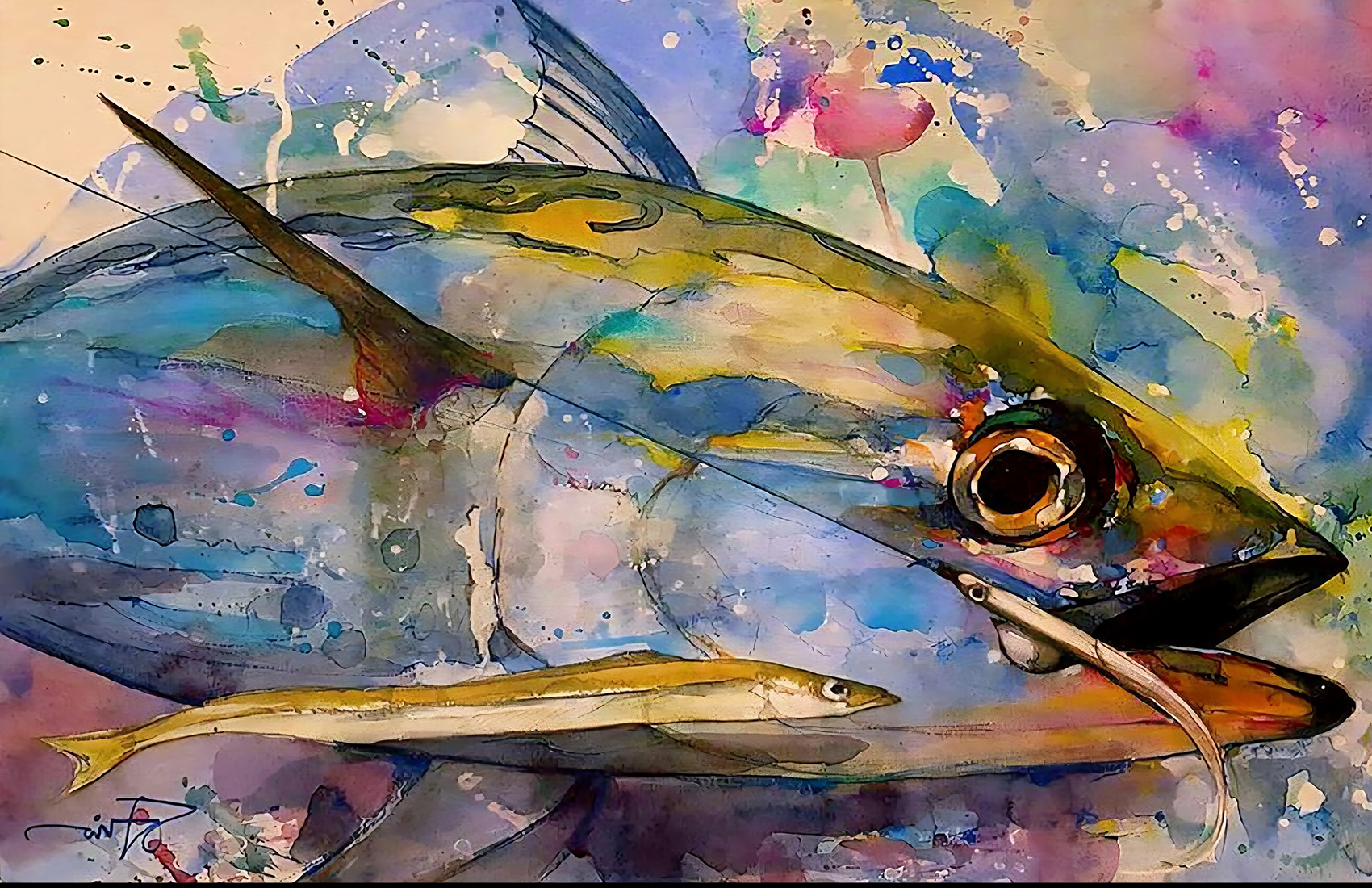
Artwork by Savio Mizzi