The Push Before the Spawn
Tactics, Strategy & a Day on the Juniata with Big Smallmouth
There’s a stretch of spring when everything begins to shift.
The rivers start to wake.
The water warms just enough.
And smallmouth bass, quiet through winter, begin to move with purpose.
It’s the pre-spawn.
On rivers like the Susquehanna River and the Juniata River, this window offers some of the finest fishing of the year, if you understand where to look, how to present, and when to adjust.
But like most things in this game… the lessons don’t come from theory.
They come from days on the water.
A Day That Stuck With Me
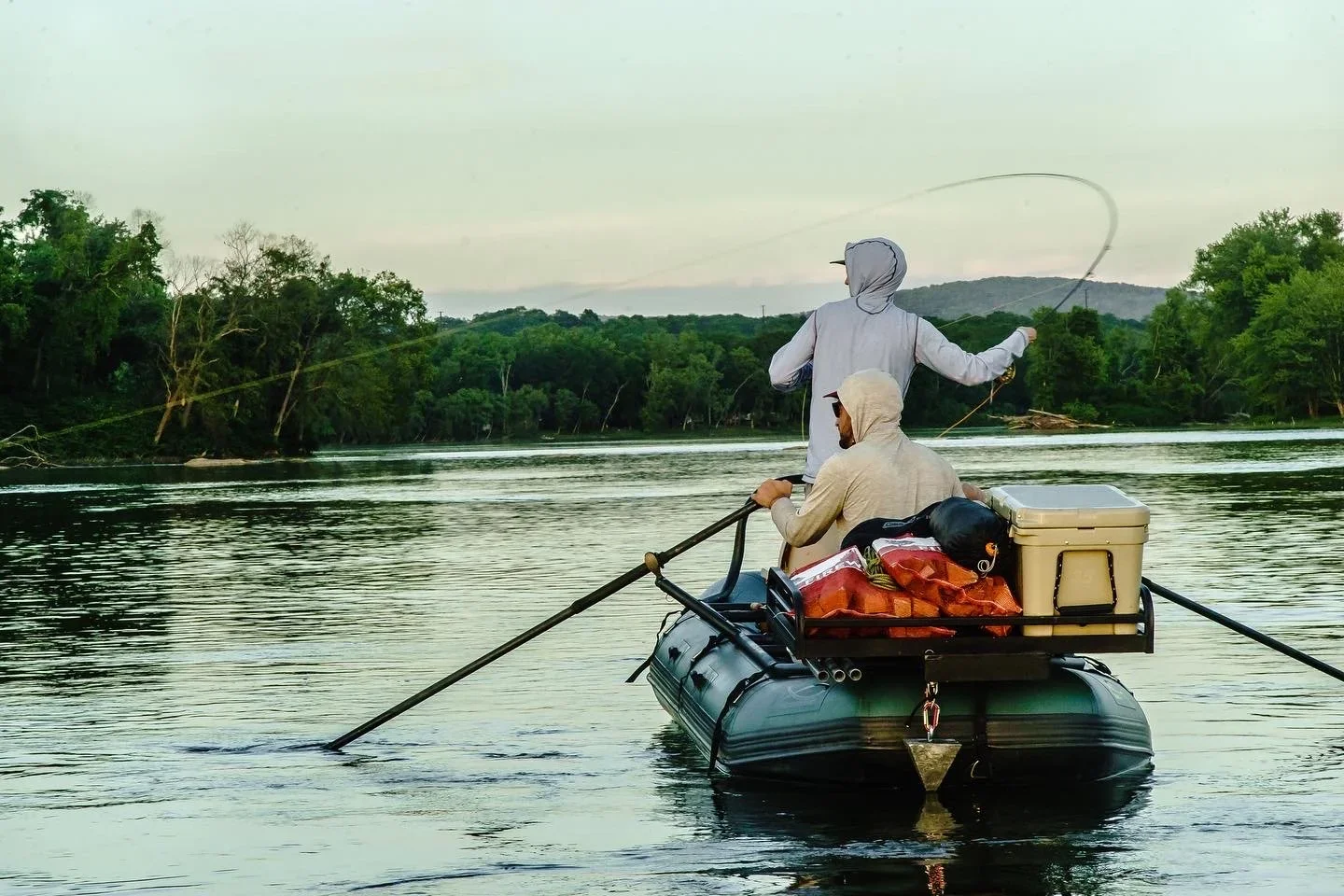
The first time I met Mike Rosa of Stream Bred Anglers, we spent the day floating the Juniata chasing pre-spawn smallmouth.
The morning started like most good days do, quiet, deliberate.
Gear laid out.
Flies selected.
A little guesswork… a little confidence.
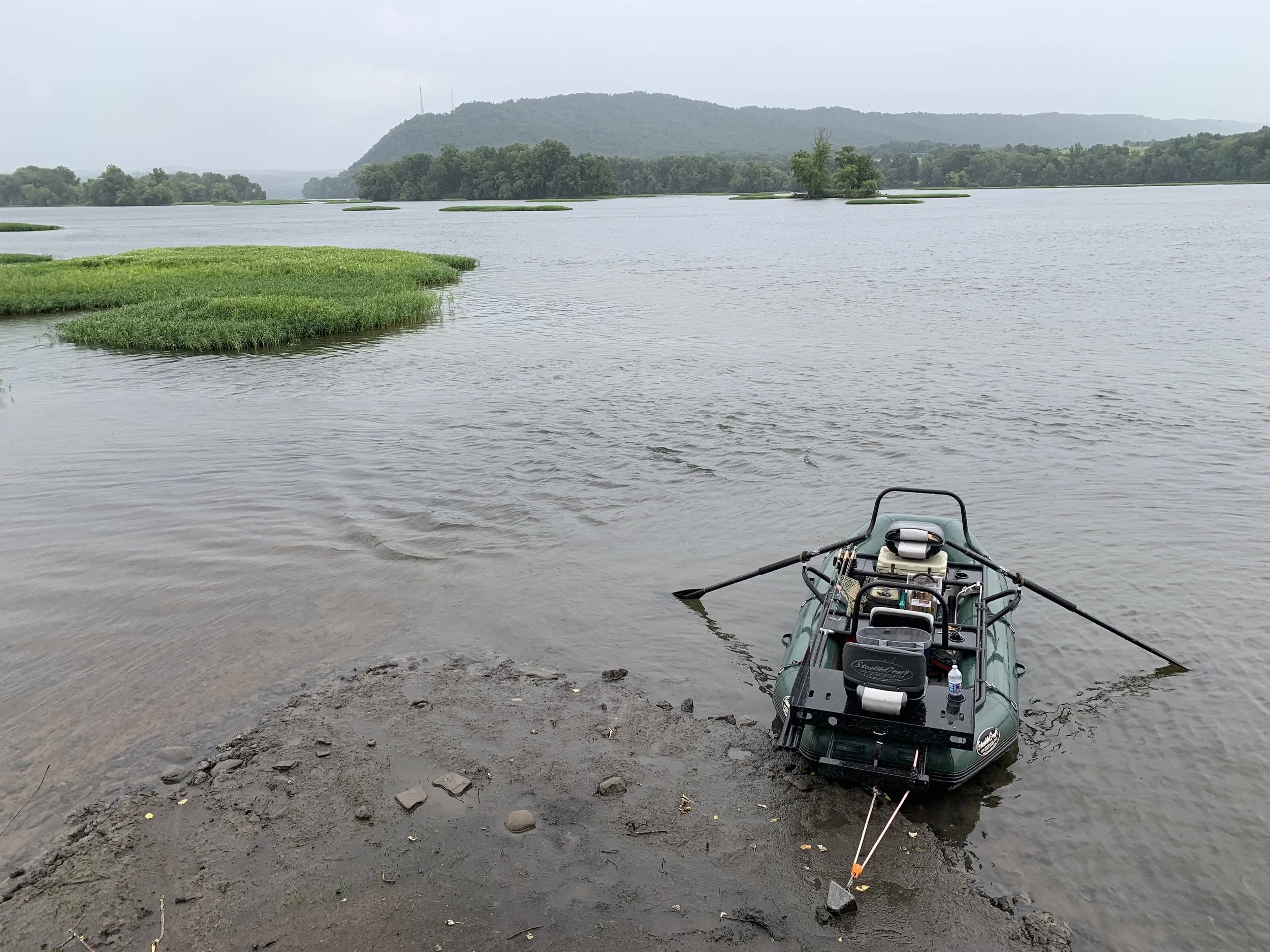
We slid Mike’s raft into the current and started working our way downriver.
At first, the fishing was slow.
Too slow.
You know that feeling, you’re waiting for things to turn, wondering when the river is going to give something up.
By midday, we’d picked up a handful of fish in that 12–15 inch range, good fish by any standard. And as anyone who’s spent time with river smallmouth knows…
Even a 12-inch smallmouth can fight like it has something to prove.
The First Adjustment
After a great riverside lunch, we pushed back into it.
That’s when Mike made a change.
He switched over to a frog imitation.
And just like that… things shifted.
We started working tight to the banks, casting into structure, letting that fly land with purpose, then popping it across the surface.
The response was immediate.
Fish started moving.
Then committing.
And not just numbers, but better fish.
17… 18 inches… thick, aggressive, fully awake.
For about two hours, it was steady action, the kind of rhythm that makes you forget everything else.
And then…
Just like someone blew a whistle…
It stopped.
The Second Adjustment
That’s the moment that defines a day.
Not when it’s easy, but when it goes quiet again.
I remembered I had tied up a few of Russ Maddin’s patterns—flies he swears by for all species.
I reached into my box and pulled one out:
The Circus Peanut.
I tied it on using a Lefty’s non-slip loop knot, the only knot I use for streamers. It lets the fly move freely, breathe a little… look alive in the water.
And just like that, the streamer session began.
Reading the Puzzle
Streamer fishing in this situation isn’t random.
It’s a process.
Cast tight to the bank
Work through different retrieves
Change cadence, speed, depth
Let the fish tell you what they want
Cast after cast, I worked through it.
Nothing.
Not even a follow.
So I changed one thing.
I let the fly sit.
A couple subtle jigs…
And then
Bam.
The Fish
The take was quiet—almost imperceptible—as the fish simply inhaled the fly.
My first thought?
I hope he’s hooked well.
Then the fight began.
Not explosive, but powerful.
A few short runs… then straight into that deep, stubborn bulldogging smallmouth are known for settling to the bottom, refusing to move.
It wasn’t a long fight.
But it was a strong one.
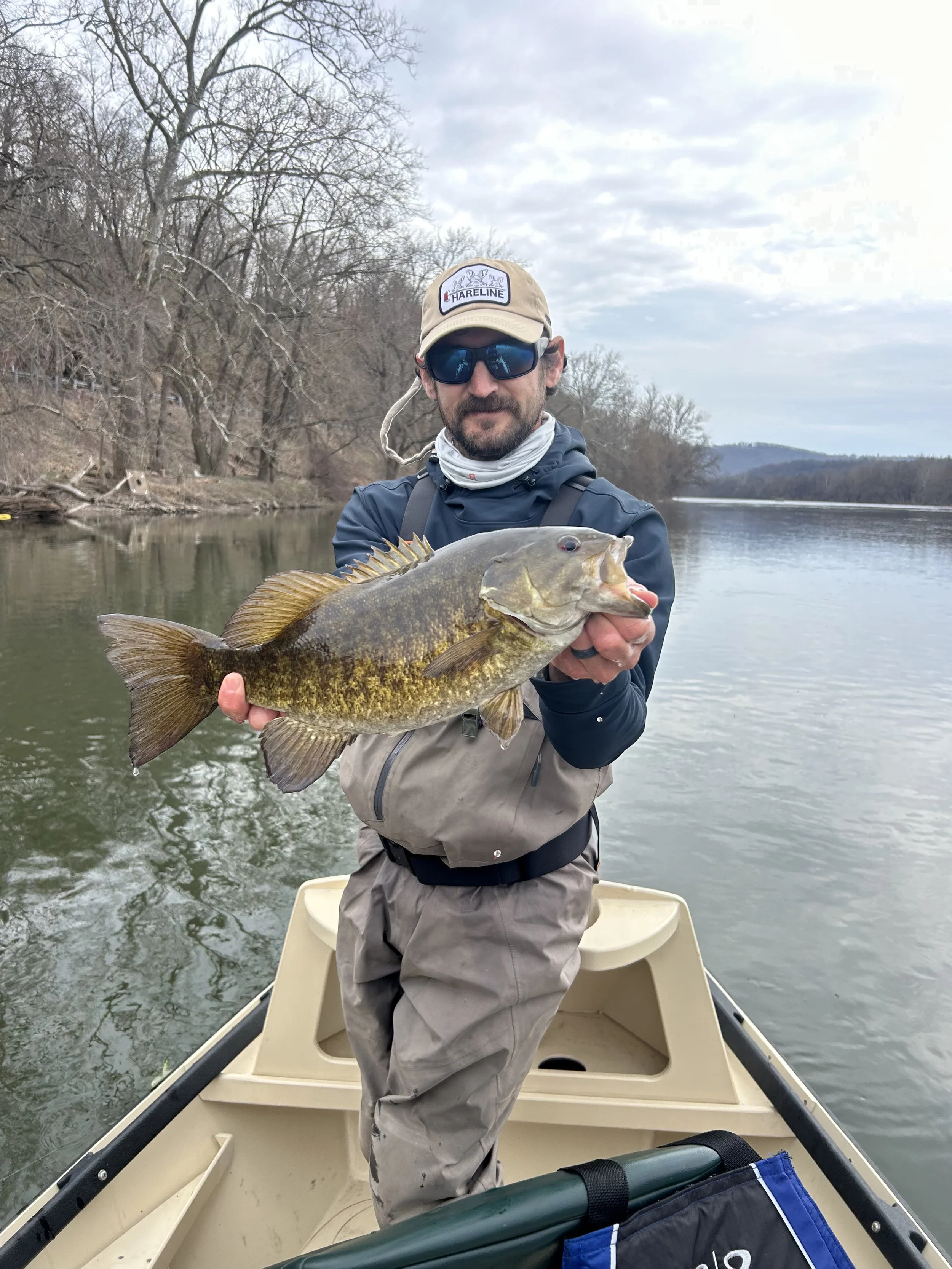
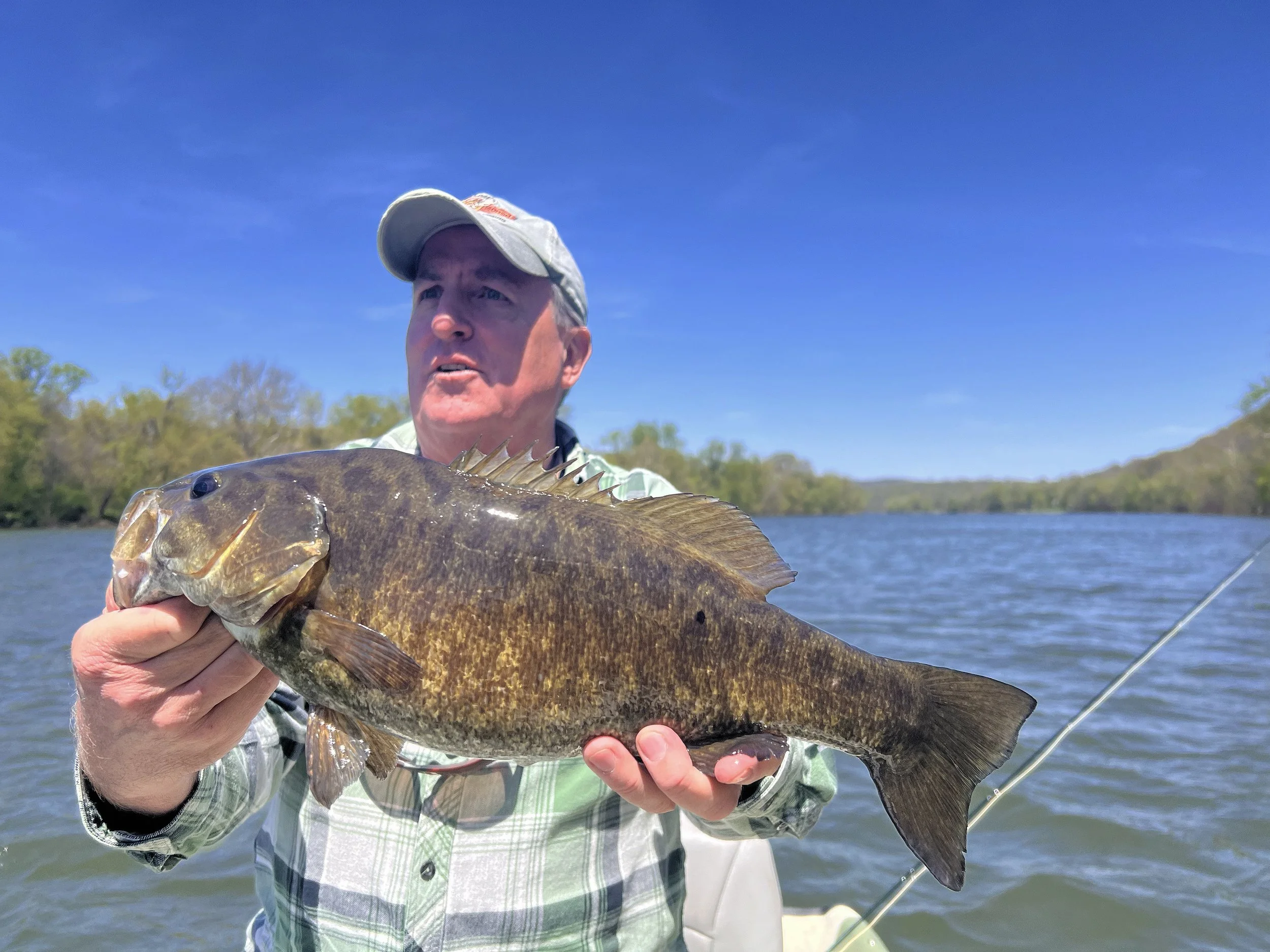
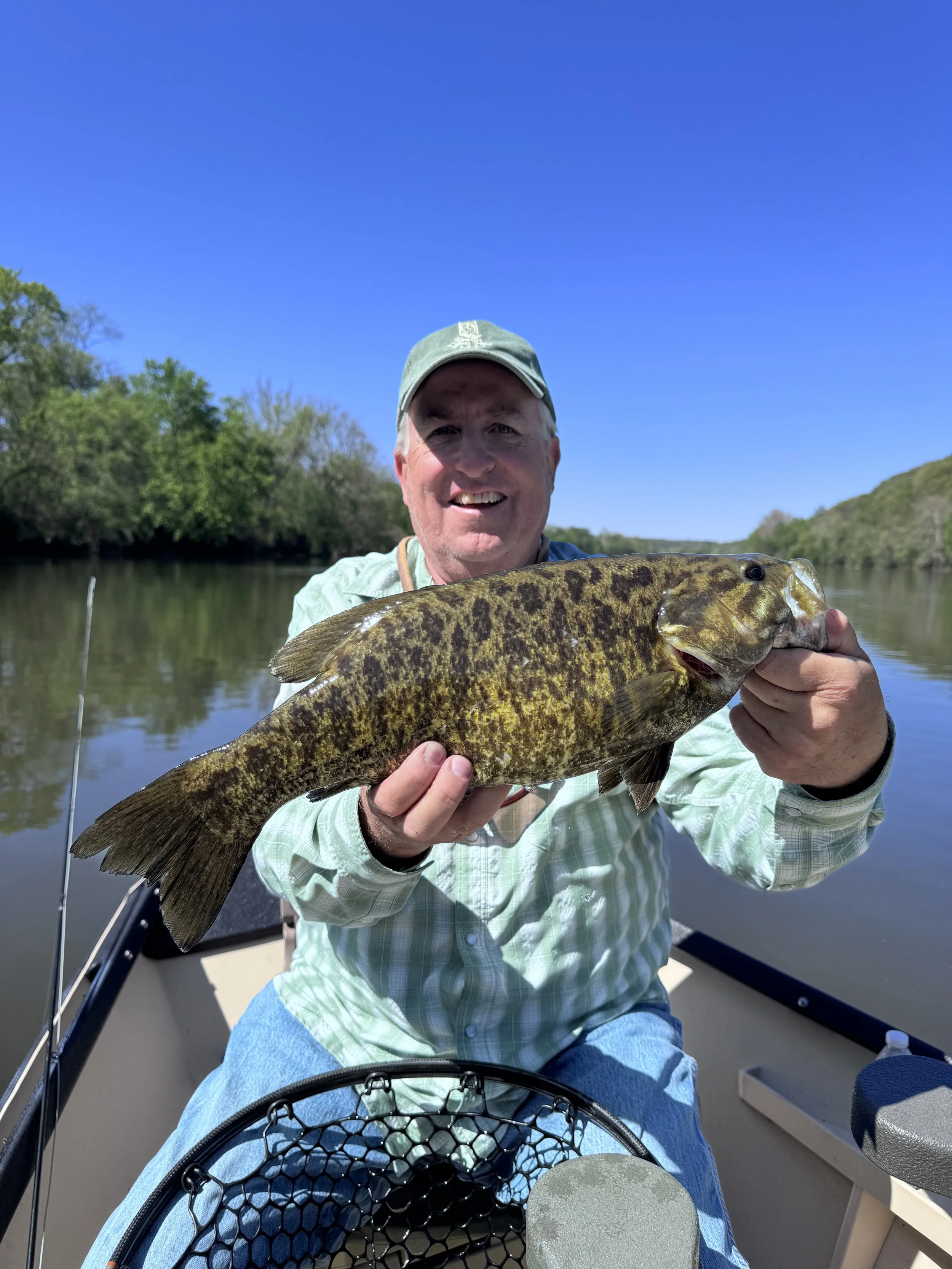
And when I finally brought that fish to hand… it was everything you hope for on a day like that.
21 inches.
Thick.
Beautiful.
Markings that looked painted on.
The kind of fish that stays with you.
What That Day Teaches
That day on the Juniata wasn’t just about a big fish.
It was about understanding pre-spawn smallmouth.
1. They Move, Constantly
Pre-spawn fish are transitioning.
They’re not locked into one place, you have to follow the pattern.
2. Adjustments Change Everything
Slow morning → patience
Frog pattern → triggered aggression
Streamer → sealed the deal
The difference between a good day and a great one is often just one adjustment.
3. Bigger Fish Feed Differently
The best fish of the day didn’t come easy.
They came:
After the topwater bite slowed
On a slower presentation
With a fly that stayed in the zone
4. Don’t Rush the Moment
That fish didn’t eat on the strip.
It ate on the pause.
And that’s a lesson that carries across every river, every season.
Bringing It Back to the River
Whether you’re fishing the Susquehanna or the Juniata during the pre-spawn, the principles remain the same:
Focus on transition water
Fish slower than you think
Work banks, seams, and structure
And most importantly,
Pay attention when things change
Because they always do.
Closing Thoughts
Some days you remember because of the number of fish.
Some because of the size.
And some, like that day on the Juniata, you remember because everything came together.
The people.
The adjustments.
The moment.
That’s what pre-spawn smallmouth fishing is really about.
Not just chasing fish…
…but figuring it out along the way.