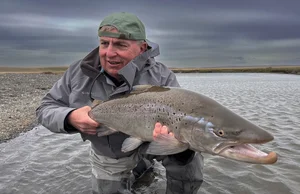
Spring’s Awakening: Hendricksons & Gobblers on the Upper Delaware
There is a moment each year,somewhere between the last frost and the first true warmth—when everything begins again.
You feel it before you see it.
The air softens. The river breathes differently. The woods begin to whisper.
And then, almost overnight, spring arrives.
For those of us who live for time afield, it brings two of the most anticipated events of the year, the first great Hendrickson hatch on the Upper Delaware, and the thunderous awakening of turkey season.
Two different pursuits. One shared heartbeat.
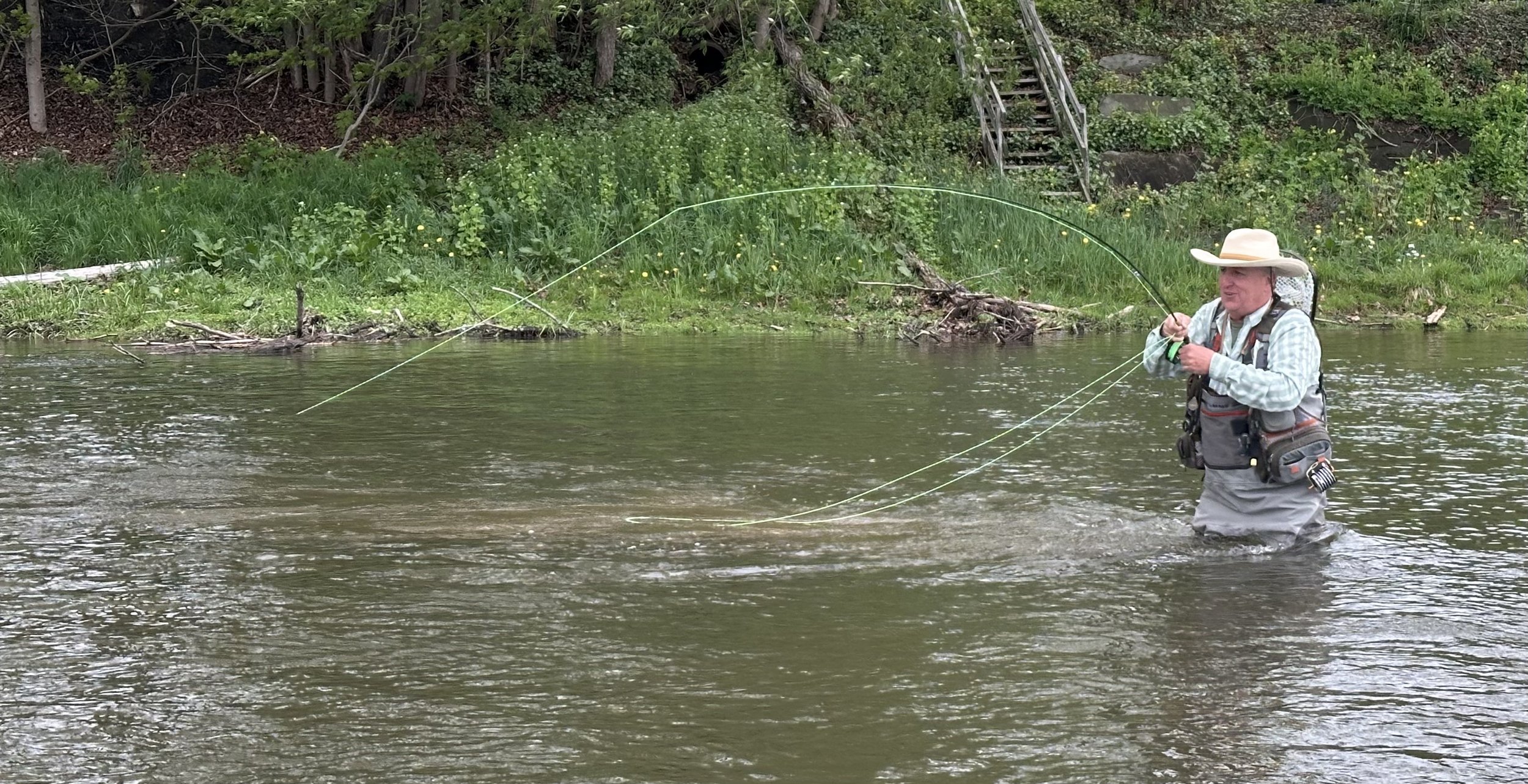
The First Hatch
On the Upper Delaware, the Hendricksons are more than just insects, they are a signal. A turning point. A promise fulfilled.
You stand along the bank in the late afternoon, the river moving with quiet confidence, still carrying the chill of winter’s grip. The light hangs low, golden, stretching across the current.
And then it happens.
A few duns lift off the surface, delicate, uncertain. Then more. And more still.
Until suddenly… the river comes alive.
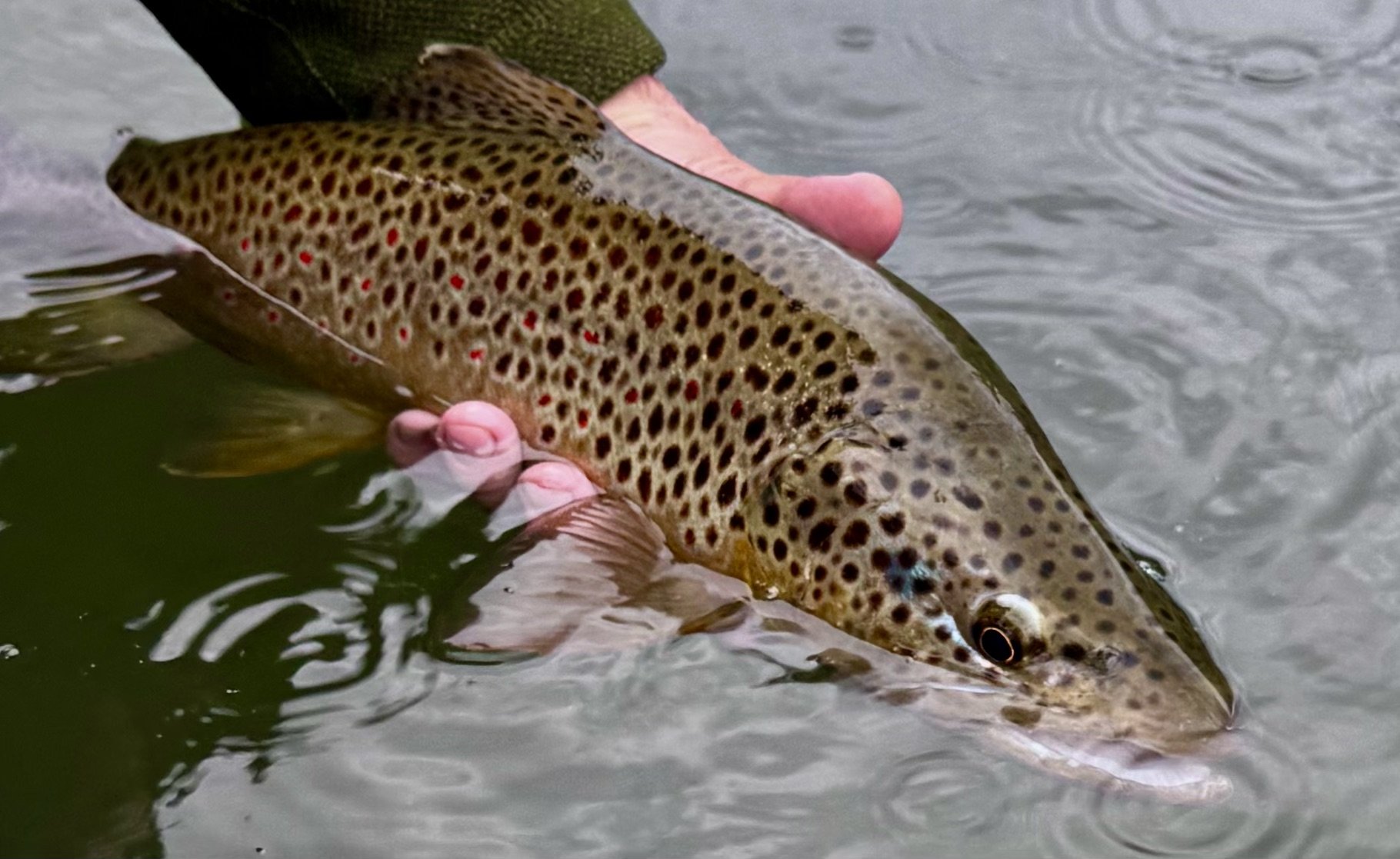
Trout begin to rise.
Not aggressively at first. Just subtle dimples, quiet sips that demand your full attention. Then the rhythm builds. Heads break the surface. Tails flash. Rings spread across the current like echoes.
You tie on your first Hendrickson pattern of the season, hands moving with that familiar mix of anticipation and reverence.
The cast matters now.
The drift matters.
Everything matters.
And when it happens, when that trout finally tips up and takes your fly from the surface, it is something deeper than success.
It’s connection.
A moment that reminds you why dry fly fishing will always hold a place above all else.
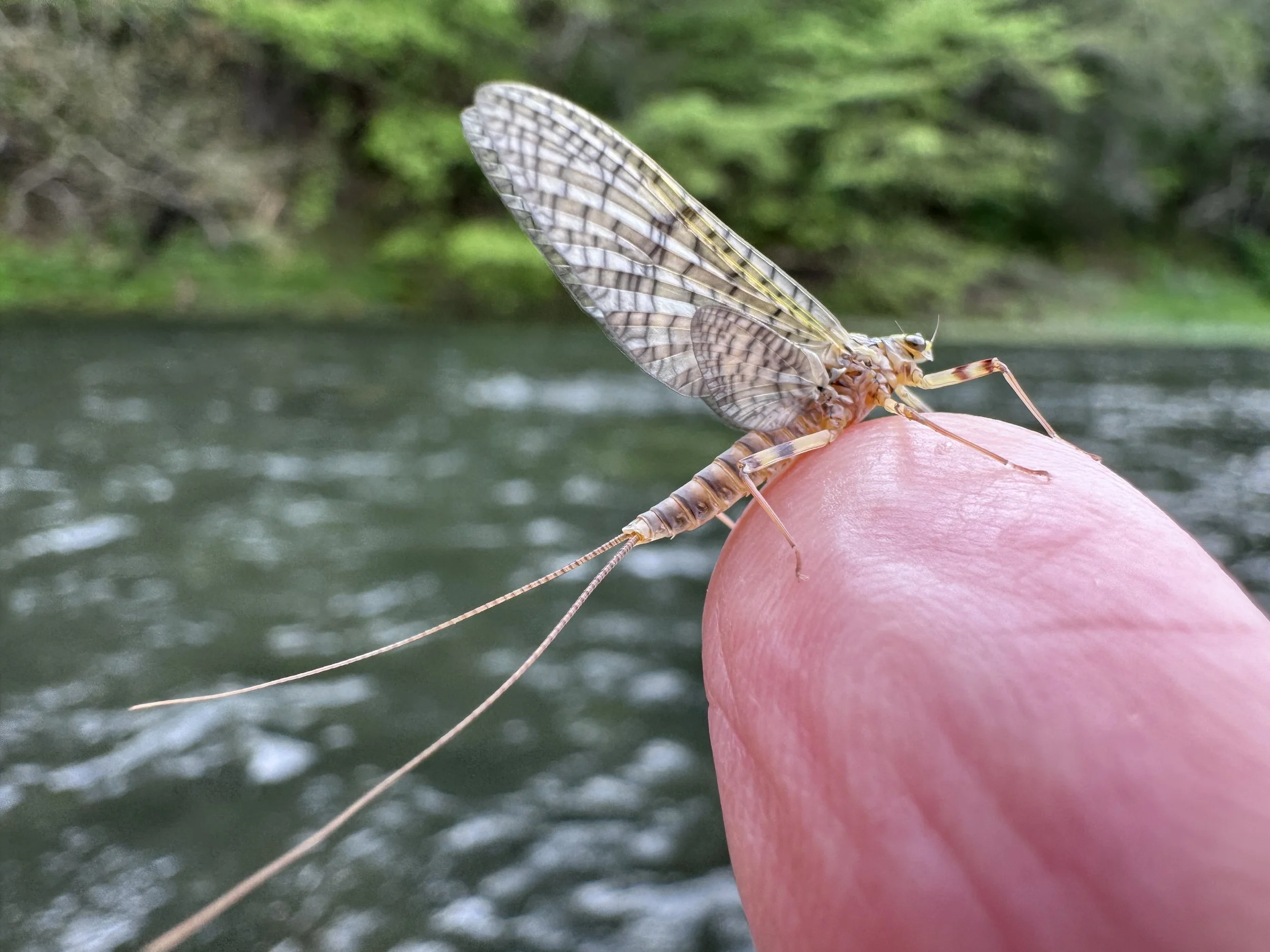
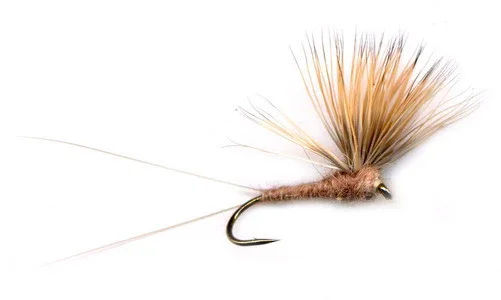
Hendrickson Comparadun
Hook
Standard dry fly hook (TMC 100 or equivalent)
Sizes: 12–14
Thread
8/0 or 70 denier
Color: Rusty brown or tan
Tail
Microfibbets or Coq de Leon fibers
Split tail preferred (important for balance)
Length: about the hook shank
Body
Pinkish-tan / Hendrickson dubbing
(Keep it natural, slightly rosy but not bright)
Wing
Comparadun deer hair (coastal deer hair preferred)
Tied upright and flared
Tips even, forming a fan shape
Tying Steps
Start thread and lay a smooth base to the bend.
Tie in split tail using microfibbets, this helps the fly ride correctly.
Dub a slim tapered body, building slightly toward the thorax.
Stack and measure deer hair for the wing (tips about hook shank length).
Tie in deer hair at the thorax, allowing it to flare upright, this is the signature Comparadun look.
Build a small thread dam in front to keep the wing standing tall.
Finish cleanly with a small thread head.
Why the Comparadun Works
No hackle = lower profile → sits in the film, not on top
Deer hair wing = visibility + buoyancy
Natural footprint → perfect for picky Upper Delaware trout
When fish refuse traditional Catskill dries, this is often the answer.
Fishing Notes (Upper Delaware)
Deadly during flat water hatches and slow glides
Best when trout are making subtle, nose-up rises
Pair with long leaders (12–14 ft) and fine tippet (5x–6x)
Keep it drag-free, these fish inspect everything
A Wandering Sportsman Tip
If trout are:
Sliding under your fly…
Refusing at the last second…
Or just “bulging” beneath the surface…
Switch to this pattern.
It’s not always about more fly…
sometimes it’s about less.
Thunder in the Woods
While the river awakens, so too do the ridges and hardwoods that rise above it.
Dawn comes early this time of year.
There’s a different kind of anticipation as you step into the woods—shotgun in hand, breath visible in the cool morning air, the forest still caught between night and day.
Then it breaks the silence.
A gobble.
Sharp. Electric. Impossible to ignore.
It echoes through the hills, bouncing from ridge to ridge, sending a jolt through your entire body. It’s a sound that stops you in your tracks no matter how many seasons you’ve heard it.
The game begins.
You settle against a tree, call in hand, heart steady but alert. A soft yelp. Maybe a cluck.
Then you wait.
Minutes stretch longer than they should. Every rustle of leaves, every snap of a twig becomes amplified.
And then—there he is.
A flash of movement. The slow, deliberate strut. Sunlight catching bronze and iridescence as he steps into view.
It’s raw. It’s primal. It’s spring at its finest.
One Season, Two Passions
What makes this time of year so special isn’t just the fishing or the hunting.
It’s the way they intertwine.
Mornings spent in the turkey woods…
Afternoons along the river waiting for the hatch…
Evenings chasing rising trout under fading light…
It’s a rhythm that feels as natural as the season itself.
There are days when the gobblers don’t come. Days when the hatch fizzles and the trout refuse everything you offer.
But it doesn’t matter.
Because spring isn’t measured in success.
It’s measured in moments.
In the sound of a distant gobble rolling through the timber…
In the sight of the first mayfly drifting downstream…
In the quiet understanding that winter has finally let go.
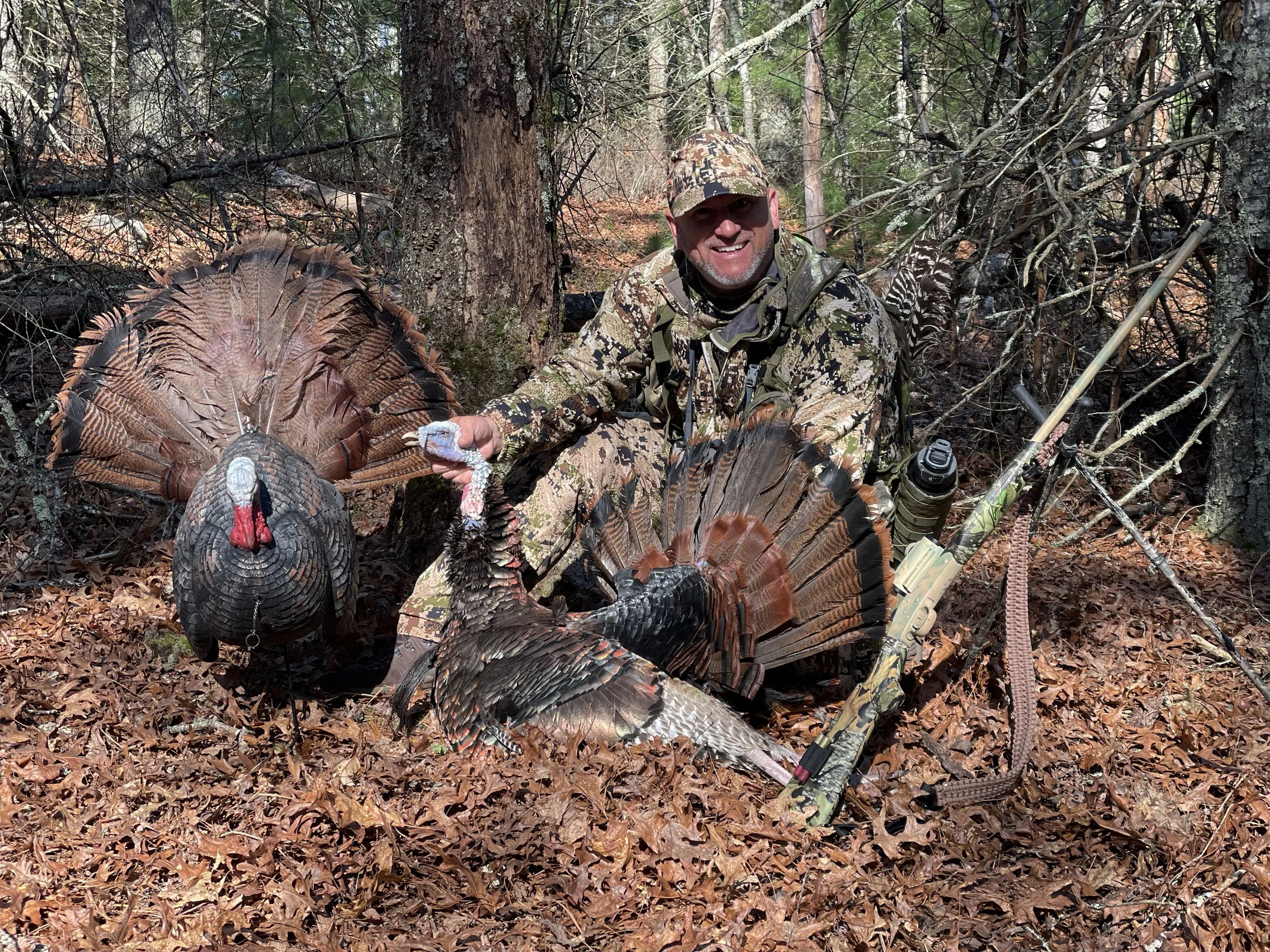
My buddy “Burky” with a nice Rhode Island Turkey
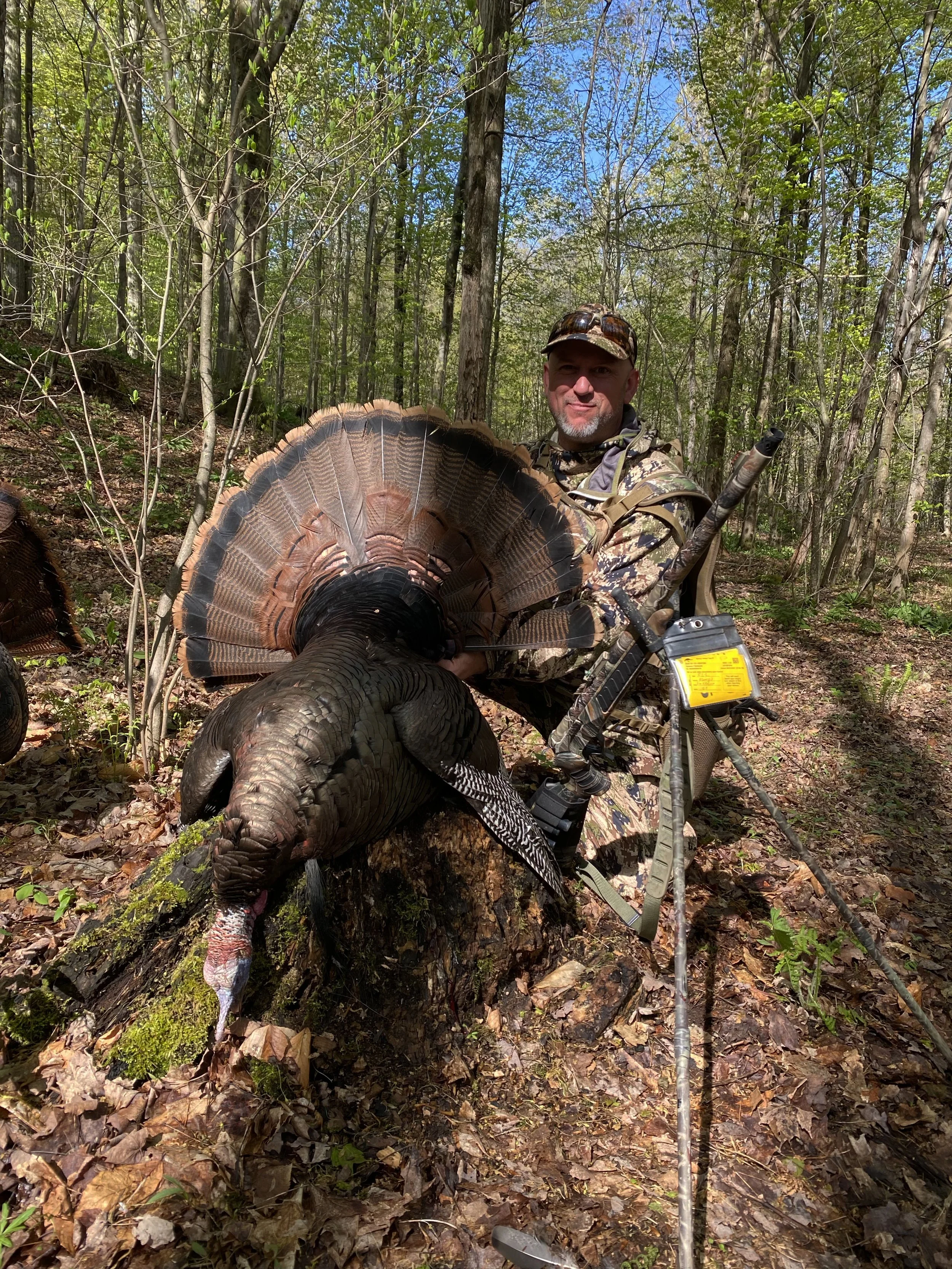
“Burky” with an absolute monarch of the spring woods.
One day it’ll be my turn—these Easterns have dodged me so far, but that just makes the chase mean more.
Eastern Turkey Hunting Tips
Roost Them the Night Before
Locate birds at dusk using an owl hoot or crow call. Knowing where they sleep gives you a huge advantage at first light.Set Up Early, and Close (But Not Too Close)
Aim to be within 75–100 yards of the roost. Too close and you risk bumping birds; too far and you lose control of the setup.Patience Kills More Turkeys Than Calling
Once you’re set, stay put. Easterns are notorious for hanging up, let them work to you.Call Soft at Fly-Down
Start with tree yelps and soft clucks. Let the gobbler know you’re there without overdoing it.Don’t Overcall
If he’s gobbling, he knows where you are. Too much calling can make him expect you to come to him.Use the Terrain to Your Advantage
Set up just over a rise, along logging roads, or near field edges, places where a gobbler can approach confidently.Break Line of Sight
Eastern gobblers love to strut where they can see. Use slight terrain features or cover to force him to come looking.Decoy Strategy Matters
Early season: a single hen works great
Aggressive birds: add a jake decoy
Pressured birds: go minimalist or no decoy
Mid-Morning Can Be Magic
Once hens go to nest (around 9–11 AM), lonely gobblers become much more callable.Know When to Move
If a bird shuts up or drifts off, circle ahead quietly using terrain. Don’t just sit all day if the situation changes.Use a Variety of Calls
Box calls for volume, slate calls for finesse, diaphragm calls for hands-free finishing work.Match the Mood
Some days they want excited cutting and yelping… other days only soft clucks. Let the bird tell you.Stay Hidden, Really Hidden
Full camo, face mask, gloves. Easterns will pick you apart at 60 yards if something looks off.Sit Against a Big Tree
Wider than your shoulders, breaks your outline and protects your back.Keep Your Gun Ready
Turkeys have a way of showing up silent and fast. Be in position before you call.Take the Shot at the Right Moment
Wait until the gobbler’s head is up and clear, don’t rush it.Scout for Sign, Not Just Sightings
Look for tracks, droppings, scratching, and dusting areas, these tell the real story.Hunt the Weather Windows
Warm, calm mornings are best. Windy or rainy days? Focus on fields and openings.
The Season That Brings Us Back
Every year, we wait for this.
Not just for the fish or the bird, but for what they represent.
Renewal.
Tradition.
And the simple, undeniable pull of the outdoors waking up once again.
So whether you find yourself knee-deep in the Upper Delaware, matching the hatch as trout rise in rhythm…
Or tucked against an old oak at first light, waiting on a longbeard to close the distance…
Take it in.
Slow it down.
Because these are the days we carry with us long after the season fades.
The Wandering Sportsman
Where the Journey Matters as Much as the Catch, the Flush, or the Harvest