Still Walking Beside Me. My Boy, Winston
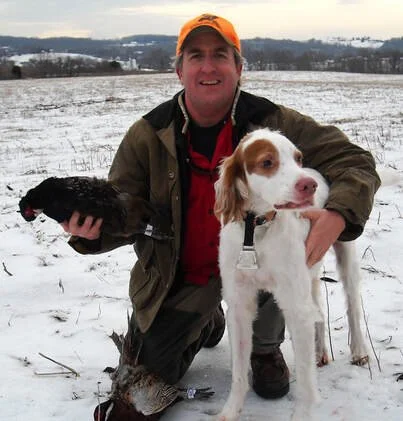
It was one of those late-season winter days when everything feels muted, snow underfoot, cold air hanging heavy, the world narrowed to dogs, cover, and instinct. Winston was working ahead of me, quiet and deliberate, the way he always did when birds were close. I didn’t see the pheasant, but Winston did.
He had it pinned.
At first, it looked like a simple track. Winston eased forward, careful and measured, keeping just enough pressure on the bird to hold it in place. I started my walk-in, confident the flush was coming. But as I closed the distance, the pheasant began to move. Not a full run, just that subtle, nervous shuffle birds make when they know the game is nearly up.
Without a command, Winston adjusted. A step to the side. A slight change in angle. I didn’t fully register what he was doing at the time. I just knew he stayed locked in, never rushing, never crowding the bird.
Again, I moved closer. Again, the pheasant shifted. And again, Winston repositioned, minute movements, barely noticeable, but precise. He was shaping the moment, steering the bird without ever forcing it. What I didn’t realize then was that Winston wasn’t just holding the pheasant. He was placing it.
By the time I took those final steps, Winston had maneuvered the bird exactly where he wanted it, set up perfectly for an into-the-wind flush. The pheasant finally lost its nerve and erupted almost at my feet.
Everything slowed.
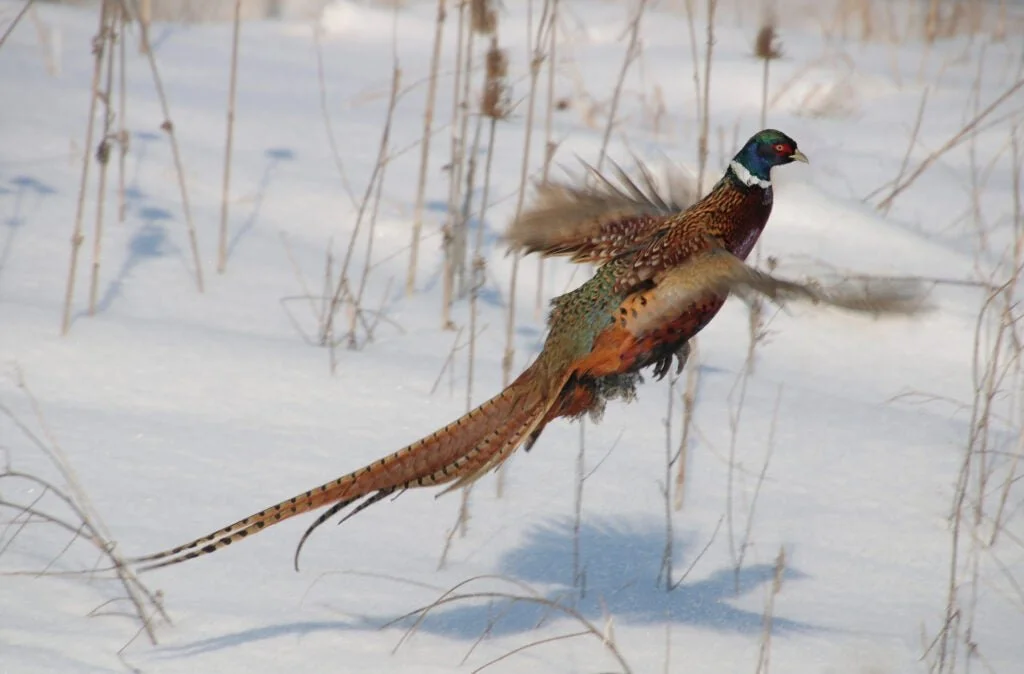
The bird rose hard and close, wings clawing at the cold air. I mounted my 20-gauge instinctively and pulled the first trigger. The shot broke clean, the rooster folded, and it fell back into the snow.
Winston was already moving. The retrieve was perfect, just like the work that came before it. When he delivered the bird, we paused for a moment, no rush, no words. Just a quiet appreciation for what had unfolded.
We snapped a photo that day, one that still means more to me than most. Winston has since passed on, but that hunt remains as vivid as ever. Not because of the bird, or the shot, or even the conditions, but because of the lesson my dog taught me without ever saying a thing.
Some hunts fade with time.
That one never will.
Cold fingers, hot birds, and why the last weeks are often the best
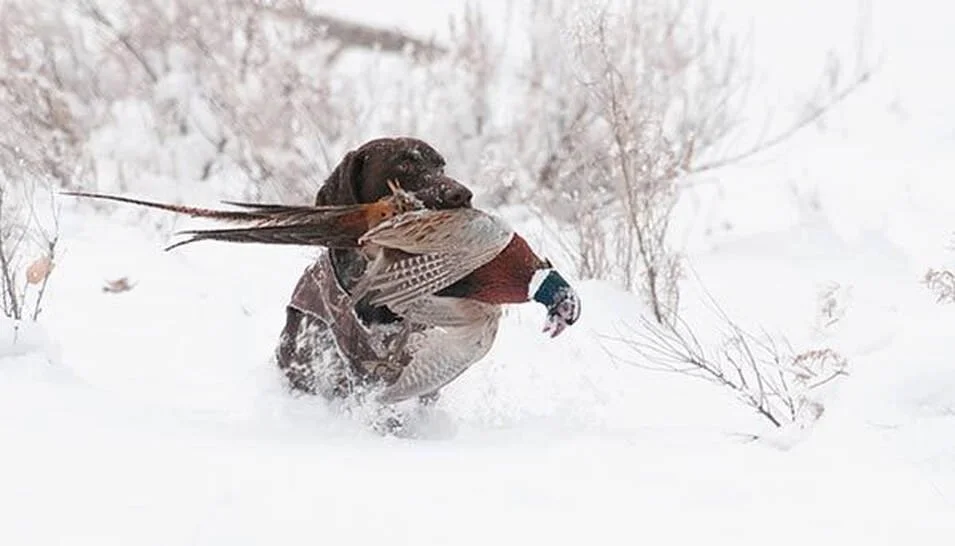
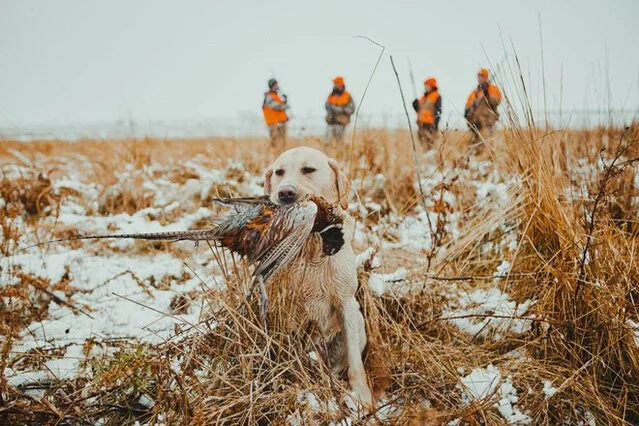
By the time winter settles in for good, most orange vests are hanging in the garage and the fields feel empty again. The easy birds are long gone, the crops are off, and the landscape has hardened under frost and snow. For those willing to embrace cold mornings and heavy boots, late-season pheasant hunting offers something rare: a truer test of woodsmanship, patience, and partnership with a good dog.
The Beauty of the Hard Months
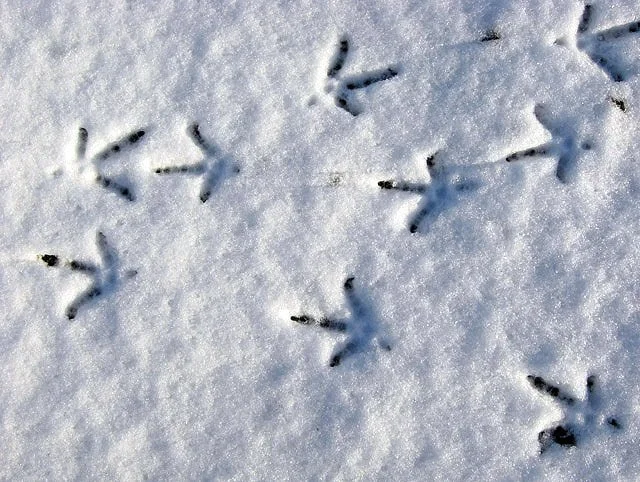
There’s a quiet honesty to winter pheasant hunting. Snow exposes every track, the wind carries sound farther, and mistakes are amplified. Birds that survived opening day chaos have learned lessons the hard way. They run earlier, flush farther, and punish sloppy approaches. But when you do everything right—reading cover, managing the wind, trusting your dog, the reward feels earned in a way early-season limits never quite match.
Where the Birds Go
Late season is a game of understanding shelter. As temperatures drop, pheasants concentrate where they can survive: thick cattails, willow choked draws, shelterbelts, unharvested corners of corn, and south-facing slopes that catch whatever warmth the sun offers. Food and cover must exist together. If you find one without the other, keep moving.
Pressure pushes birds deep and tight. Expect long runners in sparse cover and birds buried in the nastiest stuff you can find. Walk past the “pretty” cover and commit to the ugly places that soak pants and steal heat.
Dogs Earn Their Keep
Late season belongs to dogs. Snow and cold favor disciplined, experienced dogs that hunt close, handle commands, and know how to pin birds that would rather run than fly. Shorter hunts, more breaks, and constant attention to hydration and paw care are essential. Ice balls between pads, frozen whiskers, and fatigue are real risks.
Watch your dog more than the cover. Body language tells the story, head snaps, tail tension, subtle course changes. In winter, birds often hold tighter than expected, especially when pressured. Trust the dog when everything else says “nothing here.”
Tactics That Matter Late-season success comes down to small decisions:
Hunt into the wind whenever possible. Cold birds rely heavily on scent and sound.
Slow down. Rushing pushes birds out ahead. Let cover dictate pace.
Blockers matter. Birds will run to escape pressure. A quiet gun at the end of a draw often makes the difference.
Be ready for long shots. Late-season flushes are rarely close. Know your effective range and choose shots carefully.
Gear for Cold Reality
Winter hunts are not the place for shortcuts. Waterproof boots, layered insulation, wind-blocking outerwear, and gloves that balance warmth with dexterity matter more now than ever. Shot selection often shifts slightly heavier to ensure clean kills on tough, fully feathered birds.
Cold makes everything heavier, guns, vests, legs. Accept it. Dress right and keep moving.
Why We Keep Going
Late-season pheasant hunting isn’t about numbers. It’s about solitude, about breath hanging in the air, about a rooster erupting from snow-bent cattails when you least expect it. It’s about shared looks between hunting partners and the quiet pride of a dog doing honest work in hard conditions.
These final weeks remind us why we started hunting in the first place, not for easy limits, but for moments that stay with us long after the season closes. When the snow deepens and the calendar runs out, the birds that remain are the ones worth chasing.
And sometimes, the last hunt of the year is the one you remember most.