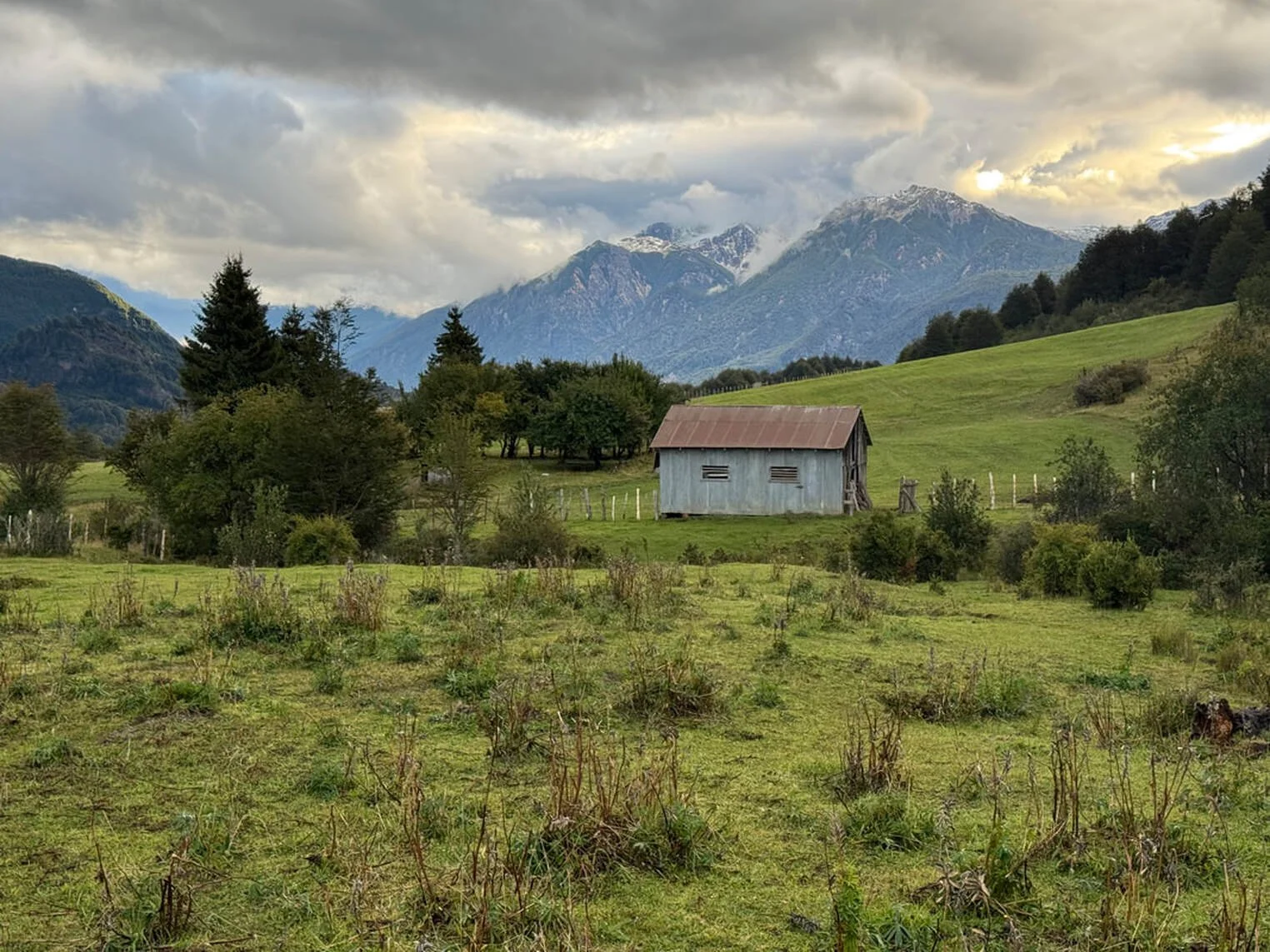
Patagonia in March
There are trips you take… and then there are journeys that stay with you.
March in Patagonia, spanning both Argentina and Chile, wasn’t just about fishing. It was about movement. About crossing rivers and borders, about shifting weather and moods, about the quiet moments in between casts where everything seems to slow down just enough to remind you why you came.
This was one of those journeys.
Argentina: Big Water, Big Fish, and Bigger Memories
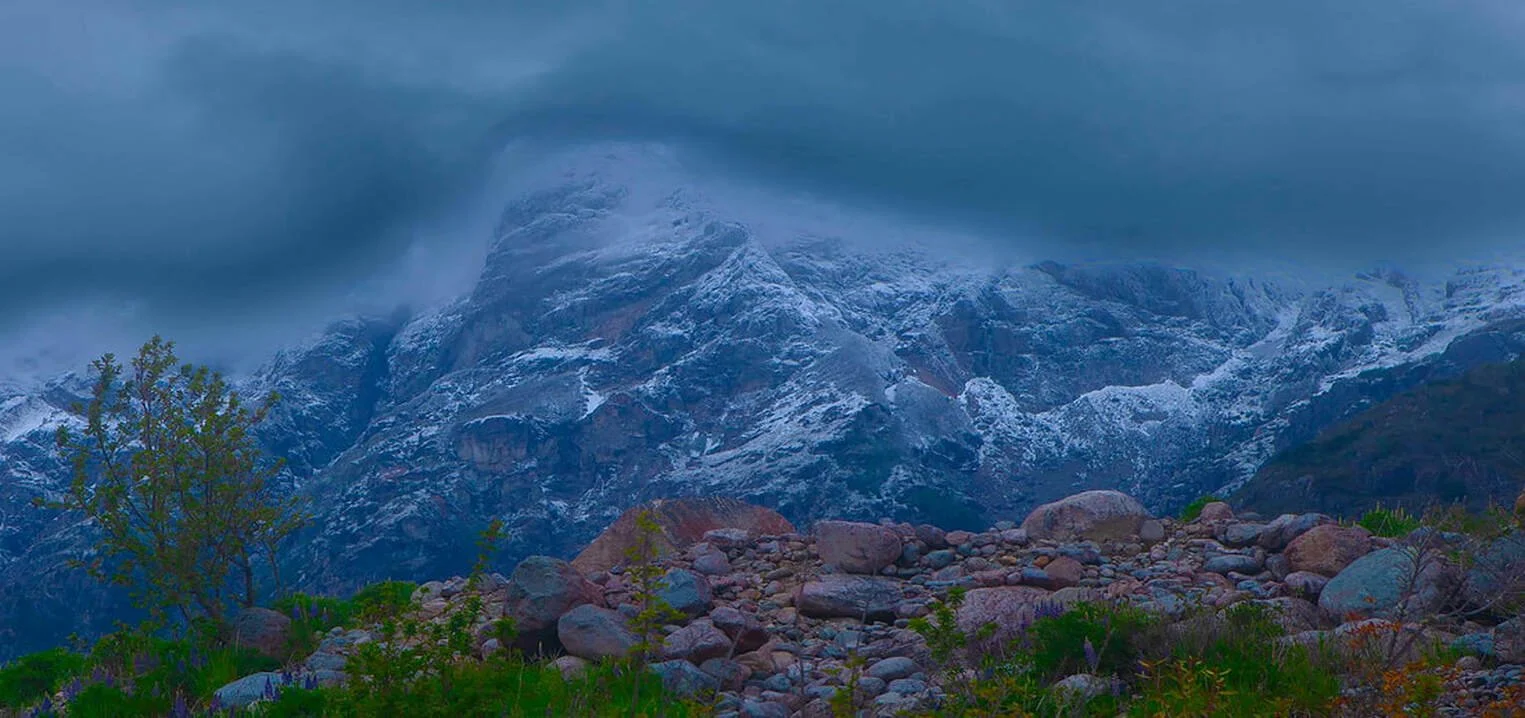
Argentina greeted us the way it often does, with wide-open spaces, dramatic skies, and water that seems to stretch endlessly into possibility.
From the moment we reached the Esquel region, surrounded by the Andes and anchored by the Rio Grande, the tone was set. Day one brought a reminder that Patagonia doesn’t hand anything to you. A strong brown trout showed itself in spectacular fashion, an aerial display that ended with a thrown hook. A loss, yes… but also a promise of what lived beneath those currents.
And then came the high mountain lake.
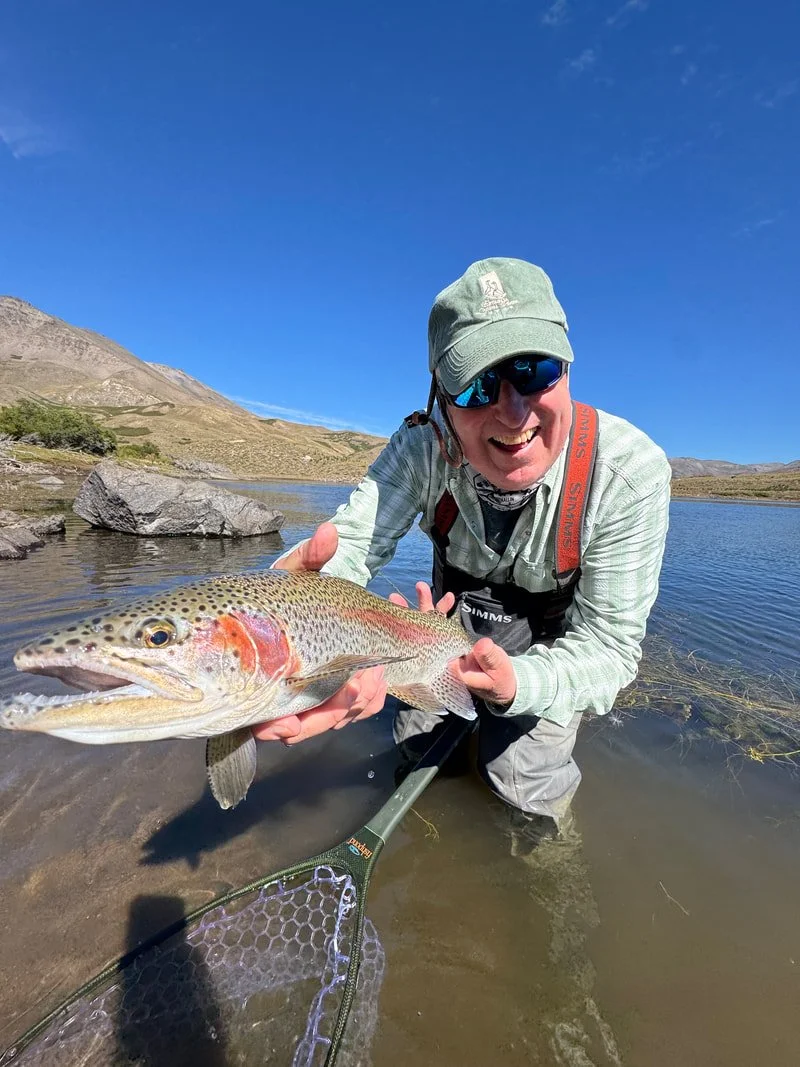
Fish after fish, strong, vibrant rainbows in that 17–18 inch class, kept the rod bent and the mind fully present. The black Rabbit Strip Jiggy proved itself once again, a pattern that has earned a permanent place in the box. It wasn’t about trophies that day. It was about rhythm. About connection. About losing count after twenty and realizing that maybe numbers don’t matter at all.
Further south and deeper into the experience, exploratory waters rewarded persistence. A slow morning throwing streamers turned into a breakthrough when we changed tactics, tying on a Pat’s Rubber Legs. From that moment on, the fish responded, and the day transformed.
But Patagonia isn’t just measured in fish.
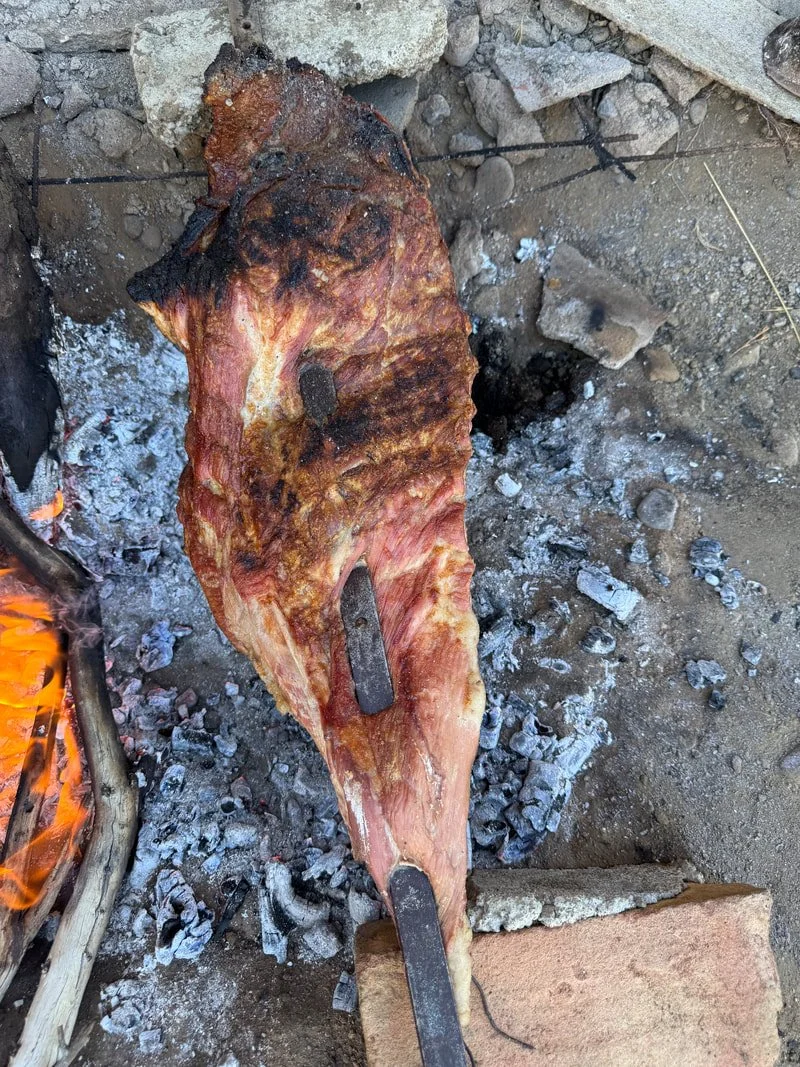
It’s measured in moments like a mid-day Argentine asado, the smell of fire and meat drifting through the valley. It’s the golden evening light on the ride back to the lodge. It’s the friendships formed over wine, shared stories, and the universal language of the outdoors.
Even the tough days, the wrong key to a locked gate, the long drives, the lost fish, became part of the story. Because in the end, those are often the moments you remember most.
Chile: Rain, Reflection, and Resilience
Crossing into Chile brought an immediate shift.
The weather changed. The rhythm changed. The experience deepened.
At the Manihuales River, I found myself living just yards from the water in a demo-style tent, comfort meeting wilderness in the best possible way. The rain became a constant companion. For locals, it’s simply part of life. For a visiting angler, it becomes something more.
A soundtrack.
Rain on the tent roof. The crackle of a wood stove. The kind of stillness that forces you to slow down and take it all in.
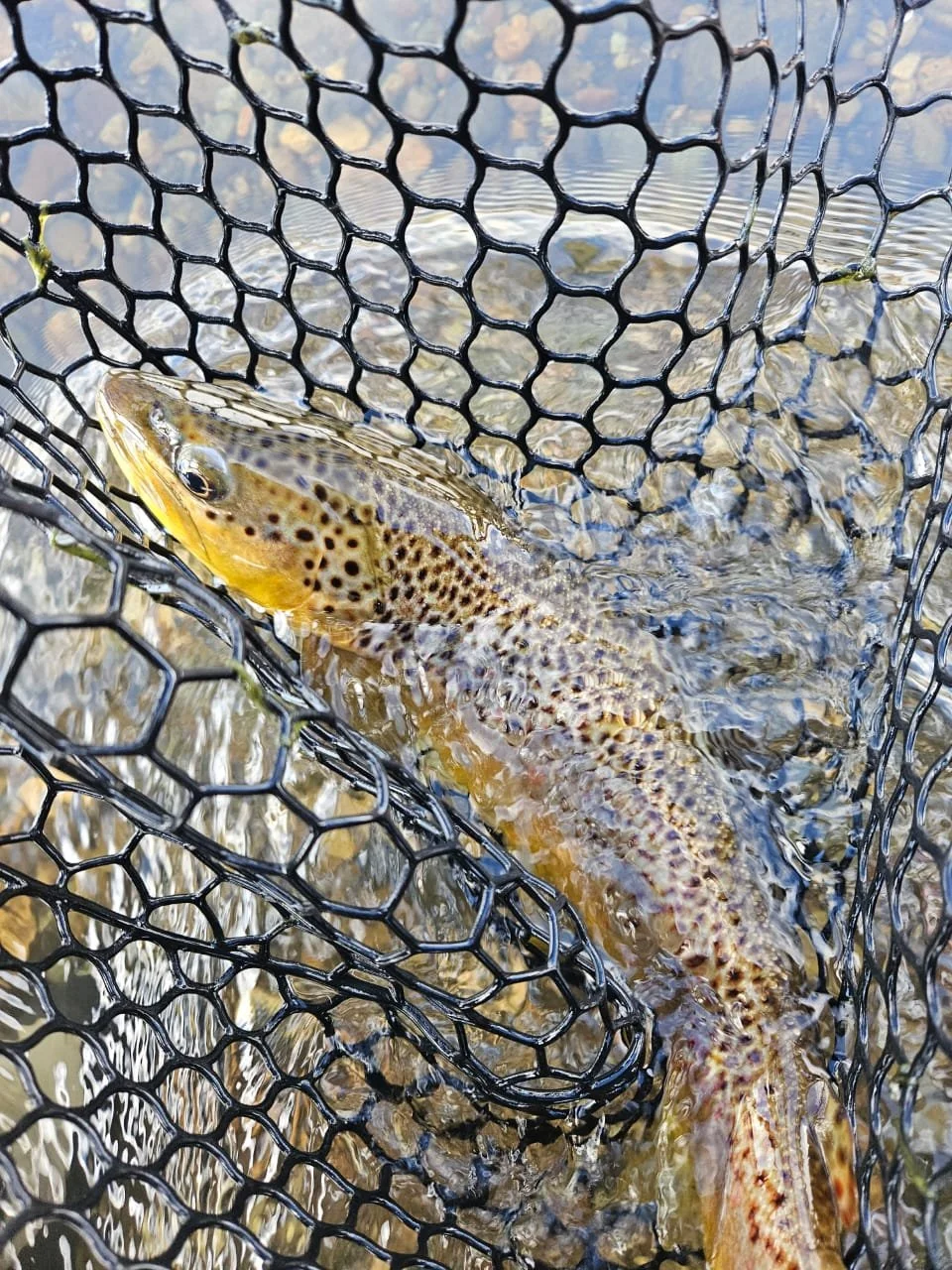
Fishing conditions weren’t easy. High water. Thick weeds and grass as tall as I am. Opportunities came, but success was elusive. A big brown that broke me off downstream. Another that calmly sipped the fly only to throw the hook moments later.
Frustrating? Maybe.
But also… perfect.
Because that’s fishing. That’s Patagonia. That’s the lesson.
You don’t always win. But you always gain something.
And sometimes, what you gain has nothing to do with the fish.
The Common Thread: Why We Go
Looking back on this month, the highlights aren’t just measured in numbers or even size.
They’re measured in:
New friendships that will last a lifetime
Future partnerships that will shape upcoming Wandering Sportsman adventures
Shared meals, laughter, and late nights around the table
The quiet moments, alone with a river, a thought, or the sound of rain
Argentina gave us scale, action, and energy.
Chile gave us reflection, challenge, and perspective.
Together, they created something complete.
Until Next TimeAs this journey comes to a close, one thing is certain…
I’ll be back.
Because Patagonia has a way of calling you, not loudly, but persistently. In memories. In photographs. In the quiet moments back home when your mind drifts to rivers you’ve walked and fish you’ve felt, if only for a second.
And when it calls, you answer.
The Wandering Sportsman
Where the Journey Matters as Much as the Catch, the Flush, or the Harvest