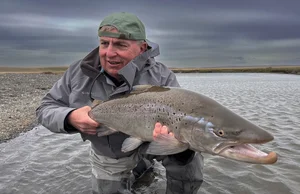
The Sportsman We Are Losing
Why the Next Generation Must Remember the Legends Who Built This Lifestyle
There was a time when becoming a sportsman meant far more than simply catching fish, killing game, or posting grip-and-grin photos on social media.
It meant something deeper.
It meant class.
It meant humility.
It meant respect for wildlife, respect for other outdoorsmen, and respect for the places that gave us these experiences in the first place.
Somewhere along the way, parts of that culture began to disappear.
Today, many young outdoorsmen are being taught that success is measured by followers, sponsorships, giant piles of dead fish, or how loud they can be online. Shock value has replaced quiet wisdom. Ego has replaced humility. Attention has replaced tradition.
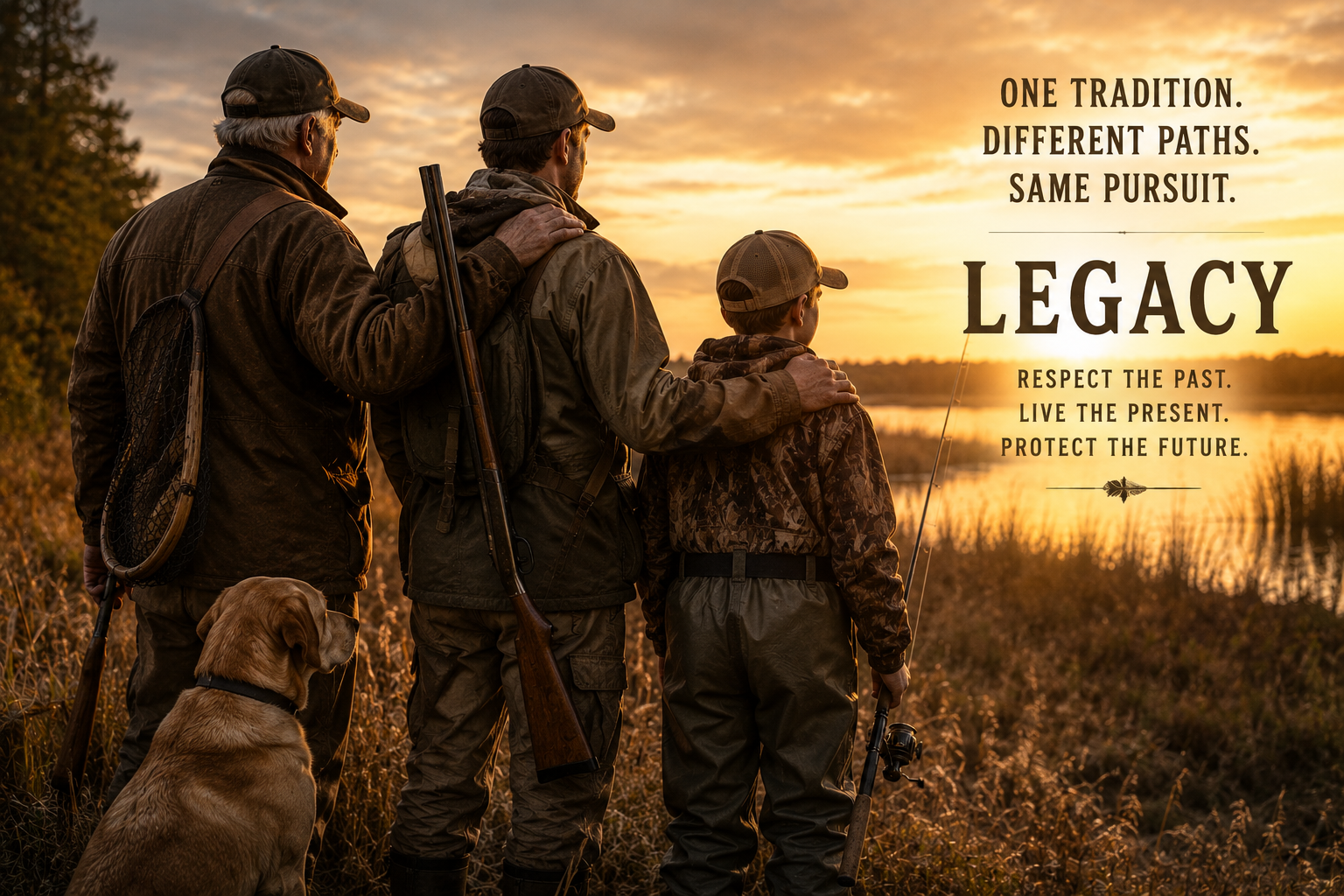
Now, let me be clear…
I’m not bashing social media.
Social media can be an incredibly powerful tool.
It allows us to share stories, preserve traditions, promote conservation, support small businesses, inspire new outdoorsmen, and connect sportsmen from all over the world in ways we never could before.
In many ways, it has helped keep parts of the sporting lifestyle alive.
But with that platform comes responsibility.
Make sure you are spreading the right message.
Teach respect instead of arrogance.
Teach ethics instead of ego.
Teach stewardship instead of selfishness.
Teach appreciation for the journey, not just the hero shot at the end.
Young sportsmen are watching.
The next generation is learning from what we post, what we celebrate, and how we conduct ourselves online.
We can either help preserve the traditions of the sporting lifestyle…
Or slowly become part of the reason they disappear.
But the true sporting lifestyle was never built on arrogance.
It was built by men who carried themselves differently.
Men who understood that being a sportsman was not simply a hobby…
It was a way of life.
I think about legendary outdoorsmen like Flip Pallot, whose calm voice and thoughtful approach taught generations that the outdoors was about far more than numbers.
I think about Stu Apte, one of the greatest saltwater fly fishermen to ever pick up a fly rod, who carried himself with professionalism, dignity, and grace while pioneering an entire sport.
I think about José Wejebe, whose passion for the flats, conservation, and camaraderie inspired countless anglers before his life was tragically cut short.
I think about Lefty Kreh, who could have easily acted larger than life because of his accomplishments, yet treated everyone, from beginners to experts, with kindness and patience.
I think about Larry Dahlberg, whose curiosity and willingness to explore taught us that adventure mattered as much as the catch itself.
I think about Ben O. Williams and the great outdoor writers who understood that storytelling was every bit as important as pulling the trigger or setting the hook.
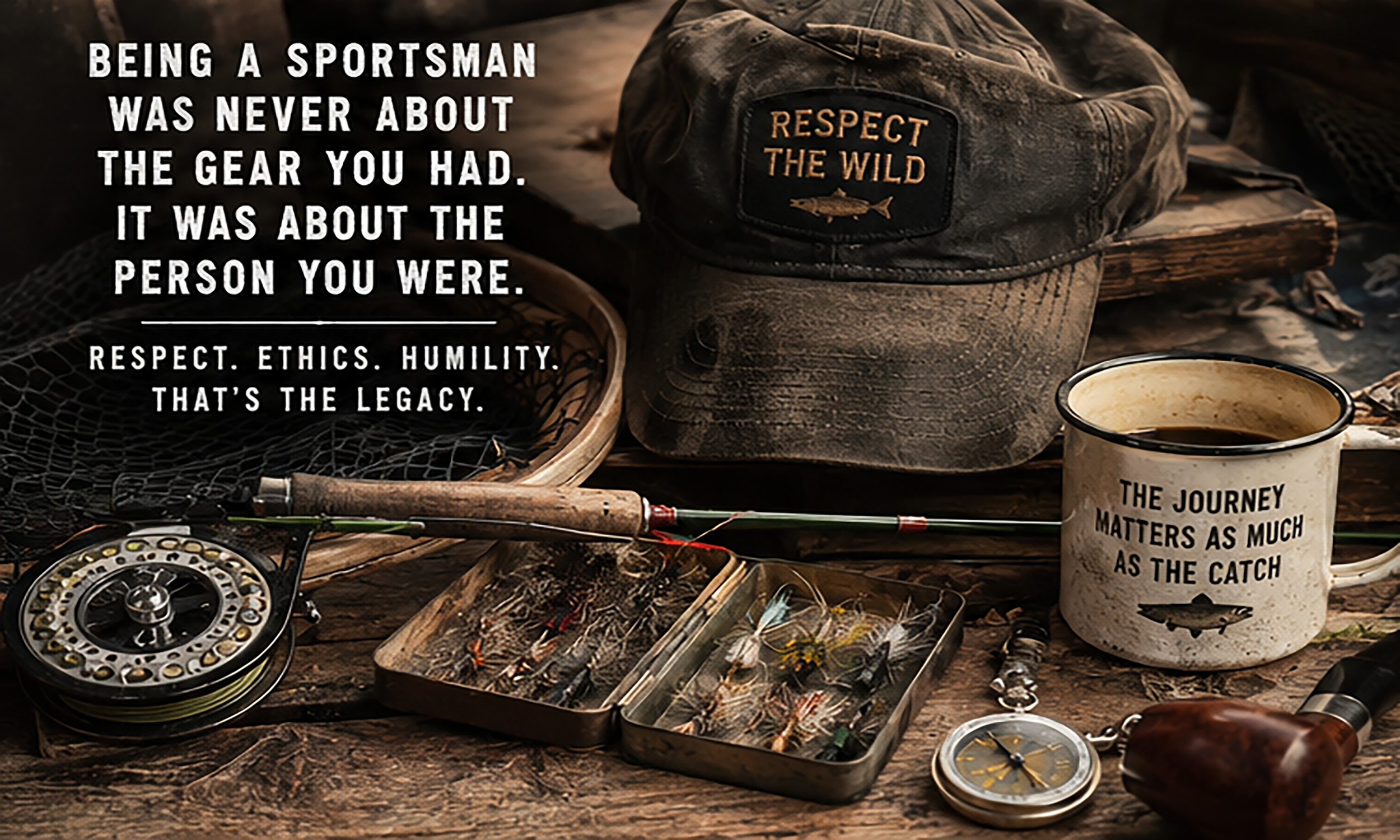
And I think about legendary hunters and fishermen from generations past, men who wore worn wool jackets, smoked pipes beside campfires, respected game animals deeply, and understood that the outdoors was sacred ground.
Men like Fred Bear, who helped define ethical bowhunting in America.
Men like Ted Trueblood, who reminded us that wild places mattered.
Men like Ernest Hemingway, who understood both the romance and hardship of sporting travel.
Men like Archibald Rutledge and Gene Hill, whose words captured the soul of the sporting life better than any social media clip ever could.
These men were not perfect.
But they understood something important:
Being a sportsman was about conduct.
It was about how you treated people.
How you respected wildlife.
How you carried yourself in success and failure.
How you represented the traditions handed down to you.
A true sportsman never needed to scream for attention.
The greatest outdoorsmen I have ever met were often the quietest men in camp.
They opened gates behind you.
They helped younger anglers untangle fly lines.
They admired the dog work before the shot.
They respected private land.
They released fish carefully.
They spoke with gratitude about the places they traveled.
And they understood that conservation was not politics, it was responsibility.
Today, we desperately need to return to those values.
We need young anglers and hunters to understand that likes, clicks, and sponsorships are temporary.
Character is not.
The future of hunting and fishing will not be saved by outrage, ego, or social media arguments.
It will be saved by sportsmen who live with integrity.
By people willing to mentor others.
By those who protect habitat.
By those who value tradition while still welcoming new generations into the fold.
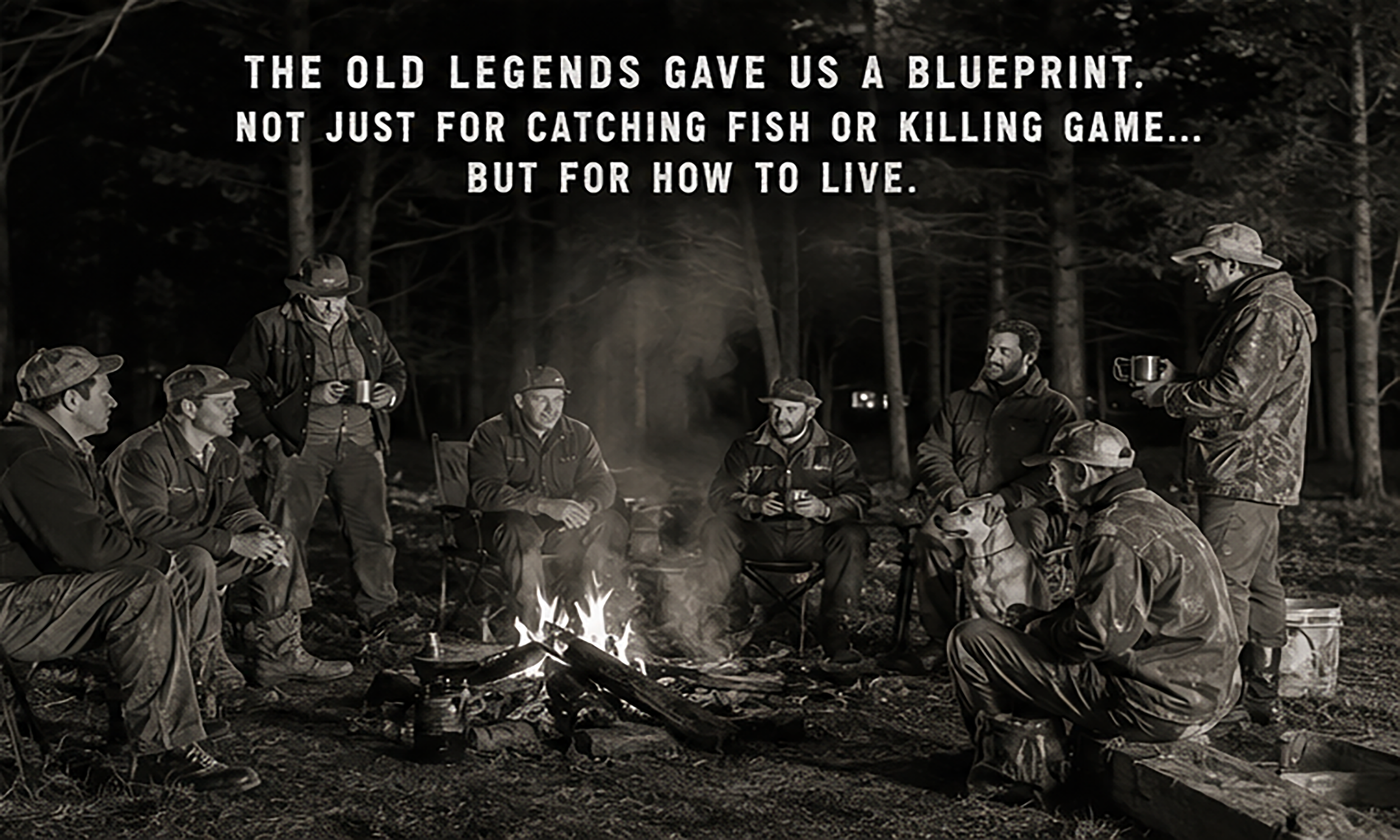
The old legends gave us a blueprint.
Not just for catching fish or killing game…
But for how to live.
And maybe now, more than ever, it is time we start listening to them again.
One Tradition
Different Paths. Same Pursuit.
The Wandering Sportsman
“Where the Journey Matters as Much as the Catch, the Flush, or the Harvest.”