Preparation & Patience
Part II of the Winter Journal
Winter doesn’t rush. It teaches by example, moving slowly, deliberately, asking us to match its pace. After the stillness of the quiet season settles in, something else follows, not restlessness, but intention. This is the time when the work begins, even if no one else can see it.
Preparation has always been part of the sporting life, but winter gives it space. There are no distractions now, no urgency to be somewhere else. The evenings are long. The light is soft. And the small rituals, often overlooked during the season, become the point.
A fly tied at a cluttered desk. A shotgun broken down and cleaned by the fire. Leather oiled, steel sharpened, knots practiced until they become muscle memory again. None of it is glamorous. All of it matters.
Patience lives in these moments.
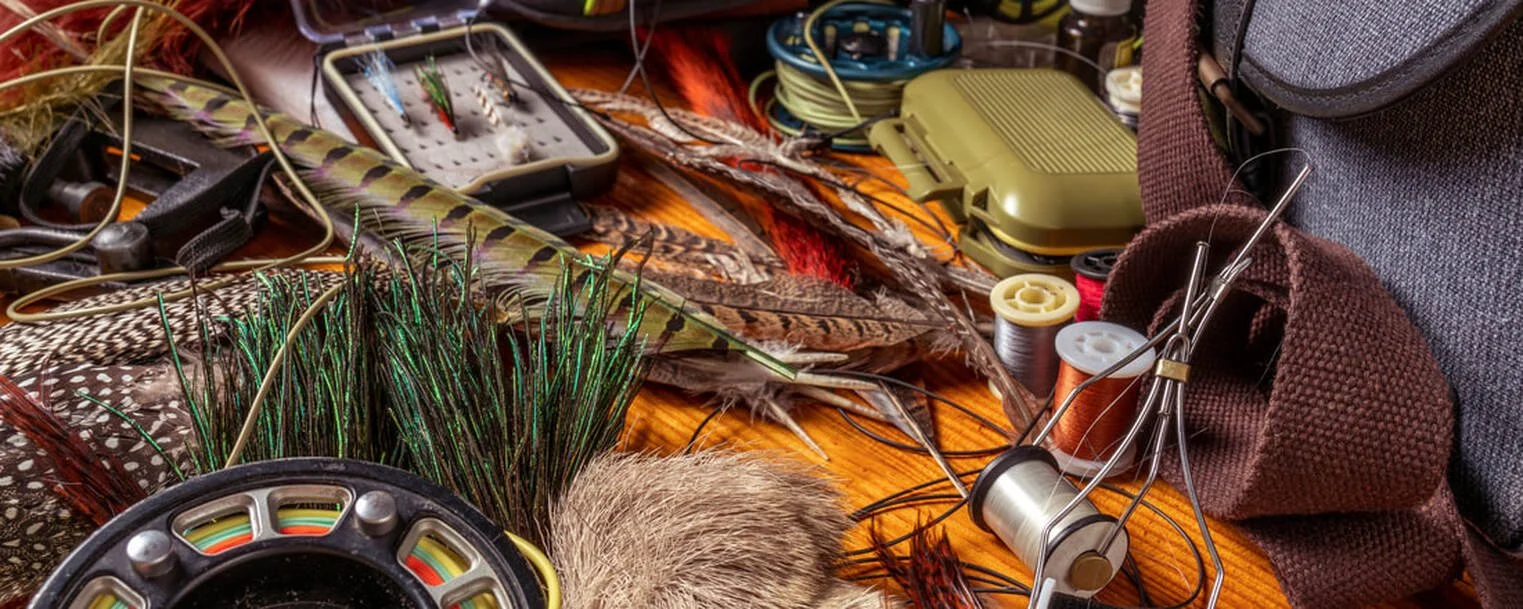
It’s easy to mistake preparation for gear obsession, but the two are not the same. Gear is replaceable. Readiness is earned. What winter teaches, quietly and without ceremony, is that preparation is a form of respect. Respect for the game that deserves a clean shot. For the fish that deserves a well-tied knot. For the place that asks us to show up competent, not careless.
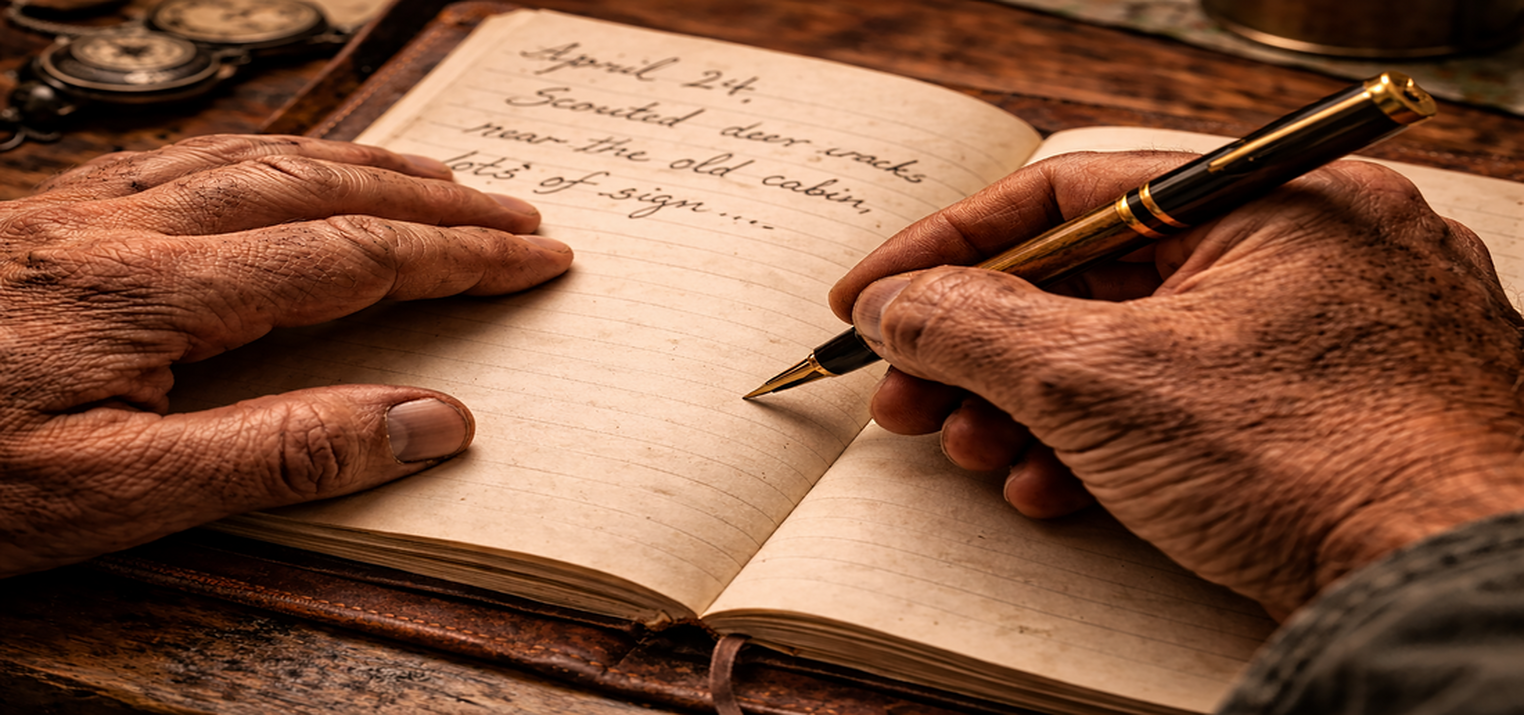
There’s a mental side to this season that’s just as important. Old journals come off the shelf. Notes scribbled in margins bring back mornings you can still feel in your hands. You remember what worked, what didn’t, and, more importantly, why. Patterns emerge. Not just in hatches or bird movement, but in yourself.
Winter is honest that way. It doesn’t let you hide behind luck.
Planning takes on a different tone now. Maps are studied slowly. Rivers traced with fingers instead of waders. Covers imagined under snow, not expectation. Trips are considered not for how impressive they’ll sound, but for how they’ll feel. Fewer boxes are checked. Better questions are asked.
What am I hoping to learn this time?
What kind of day am I actually after
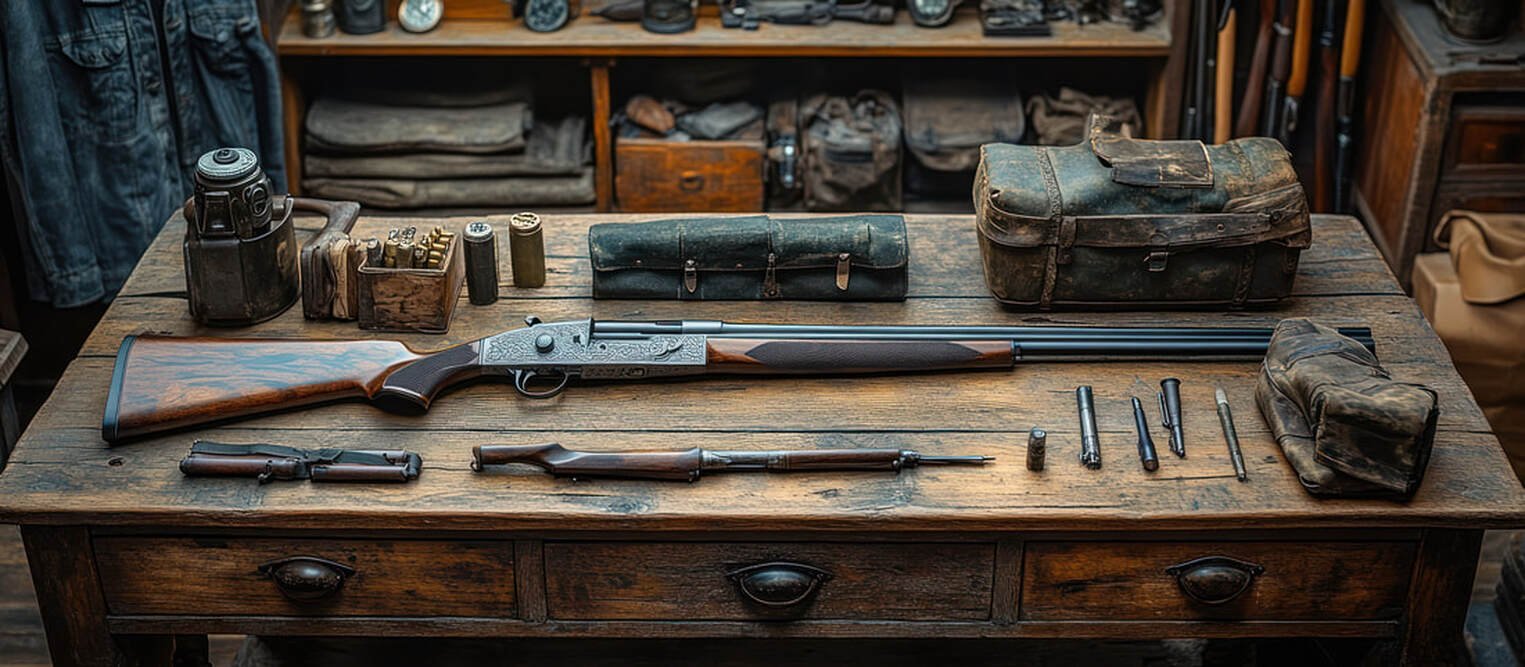
Patience, real patience, isn’t passive. It’s active restraint. It’s knowing when not to rush a shot, not to force a cast, not to push a dog beyond what the day offers. Winter reinforces this lesson daily. The cold punishes impatience. The short light rewards those who plan ahead.
Even waiting changes shape in winter. You wait for glue to dry on a fly. For oil to soak into leather. For a blade to take its edge. For your own expectations to settle into something more realistic, more durable.
There’s humility in that waiting.
Preparation also sharpens confidence, not the loud kind, but the quiet assurance that comes from knowing you’ve done the work. When the moment finally arrives, you won’t be scrambling. You’ll be present. Winter builds that presence one small task at a time.
This is the season where discipline becomes habit. Where shortcuts lose their appeal. Where you learn that doing things right, slowly, thoughtfully, isn’t about perfection, but about care.
And care, more than skill or strength, is what carries us forward.
By the time the days begin to stretch and the plans start to feel less theoretical, you’ll notice a change. Your hands will remember what to do. Your mind will be calmer. Your expectations will be better aligned with reality.
Preparation and patience don’t promise success. Winter makes no such guarantees. What they offer instead is something far more reliable: readiness.
And when the time comes to step back into moving water, open country, and early light, you’ll do so not eager, not hurried, but prepared.
That’s winter’s quiet work.
And it shows.